Why Lhasa's Monasteries Matter
Lhasa — the "Place of the Gods" — has been Tibet's spiritual heart for over 1,300 years. Its monasteries are not just architectural marvels; they're living, breathing centers of Tibetan Buddhism where monks debate philosophy, pilgrims prostrate in devotion, and ancient rituals continue unchanged. Here are the 10 most essential monasteries in and around Lhasa.
The Xizang capital grew up around these sacred sites, and even today the rhythm of the city is set by the Barkhor Circuit, the butter-lamp smoke of Jokhang, and the morning chanting that drifts down from the hillside gompas. Visiting them in order — acclimatizing in the city first, then venturing out to the hilltop monasteries — makes both practical and spiritual sense.
1. Potala Palace: The Icon
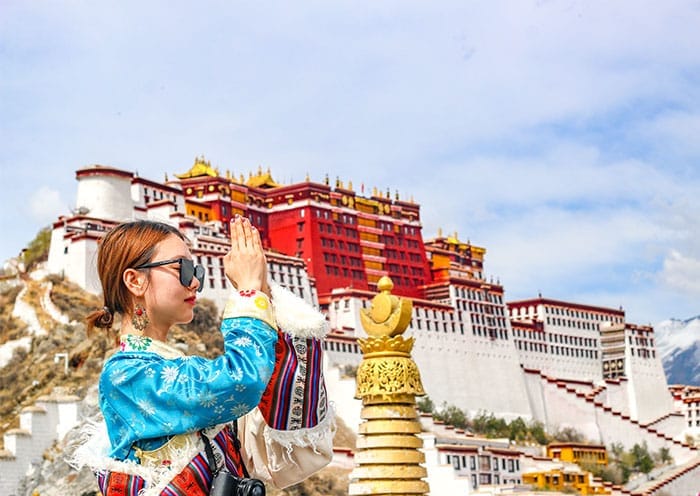
The 13-story winter palace of the Dalai Lamas dominates Lhasa's skyline. Built in the 7th century and expanded in the 17th, it contains over 1,000 rooms, 10,000 shrines, and 200,000 statues. The Red Palace houses gilded stupas of previous Dalai Lamas — the 5th Dalai Lama's stupa alone contains 3,700 kg of gold. Book tickets 7+ days in advance through your tour operator. Tip: The climb involves steep stairs at 3,650m — take it slow, rest often. Explore Tibet tours →
2. Jokhang Temple: The Spiritual Heart
For Tibetans, Jokhang is more sacred than Potala — it's the spiritual center of the entire country. The temple houses the Jowo Rinpoche, a life-sized statue of the 12-year-old Buddha said to have been blessed by the Buddha himself. Join the Barkhor Circuit — a clockwise kora around the temple with chanting pilgrims, spinning prayer wheels, and the smell of juniper incense. Visit in the morning when the energy is most intense.
3. Sera Monastery: The Debating Monks
Sera's main draw is the daily monk debates (3pm, Monday–Saturday) — one of Tibet's most unforgettable experiences. Monks pair up in a shaded courtyard: the standing monk slaps his hand dramatically as he poses a philosophical question; the seated monk must answer instantly or lose the debate. The slapping sound, the intensity, the centuries-old tradition — it's electric. Arrive by 2:30pm for a good viewing spot.
4. Drepung Monastery: The World's Largest
Once the largest monastery on Earth — home to 10,000 monks at its peak — Drepung ("Rice Heap") sprawls across a mountainside 8km outside Lhasa. The Shoton Festival (usually August) sees a giant thangka (religious tapestry) unfurled here at dawn. Budget 2-3 hours to explore the assembly halls and monk dormitories connected by winding stone lanes.
5-10: Ganden, Tsurphu, Nechung & More
Ganden Monastery (50km east): The first Gelugpa monastery, dramatically perched on Wangbur Mountain at 4,300m. The 45-minute kora around the monastery offers jaw-dropping views of the Kyi-chu Valley. Tsurphu Monastery (70km west): Seat of the Karmapa lineage — a beautiful 2-hour drive from Lhasa through Tibetan villages. Ramoche Temple: Lhasa's second most important temple after Jokhang — smaller, quieter, deeply atmospheric. Nechung Monastery: Home of Tibet's State Oracle — the medium through whom deities were consulted for centuries. Ani Tsankhung Nunnery: A peaceful walled nunnery inside Lhasa with a lovely courtyard teahouse. Murug Nyingba Monastery: Tucked behind Barkhor, this former Kathmandu-style temple is one of Lhasa's best-kept secrets.
How to Visit: Tips & Etiquette
Make the most of Lhasa's monasteries with a few habits. Walk clockwise on every kora and circuit. Book ahead: Potala Palace limits daily visitors and sells out days in advance — your operator arranges timed entry. Go slow at altitude: the climbs to Sera, Drepung, and Potala are steep at 3,650m; pause often. Dress modestly, remove hats and shoes in chapels, and ask before photographing people or inside shrines. Morning is the most atmospheric time for pilgrim energy; afternoons suit the Sera debates. Between visits, refuel on momos and sweet tea — our Lhasa food guide maps the best teahouses.
All monasteries require a Tibet Travel Permit. See our Travel Guide for Tibet permit info and our Tibet Travel Guide for altitude tips.
Beyond Lhasa: Monasteries on the Road to Everest
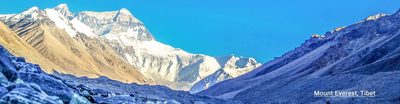
If your Tibet itinerary continues beyond the capital, some of the plateau's greatest gompas lie on the Friendship Highway. Tashilhunpo Monastery in Shigatse is the seat of the Panchen Lama and a counterweight to the Potala, with its own vast courtyards and a towering Maitreya Buddha statue. Pelkor Chode Monastery in Gyantse pairs a working monastery with the multi-layered Kumbum stupa, one of the finest examples of its kind in the Himalaya. And at Rongbuk, near Everest's north face, sits the highest monastery on Earth — a windswept, profoundly moving stop. See the route in the Lhasa-to-Kathmandu overland guide.
Best Times & Tickets for the Major Sites
Timing matters at Lhasa's monasteries. Potala Palace sells timed-entry tickets days in advance and restricts daily numbers — your guide books your slot. Jokhang is most atmospheric at dawn, when pilgrims fill the courtyard; by midday it becomes a more structured visitor circuit. Sera is built around the 3pm debates, so arrive by 2:30pm. Drepung rewards a full morning, when the assembly halls are active. Weekends and festival days are busiest with local pilgrims — quieter for architecture, livelier for people-watching.
Festivals That Bring the Monasteries Alive
If you can time your visit around a festival, do not hesitate. Saga Dawa (around the full moon of the 4th lunar month, usually June) draws pilgrims on kora around Lhasa to celebrate the Buddha's birth, enlightenment, and passing. The Shoton (Yogurt) Festival (August) unfurls a giant thangka at Drepung at dawn — one of Tibet's most photographed moments. Losar (Tibetan New Year) fills the monasteries with butter sculptures and chanting, while winter ceremonies light up the pilgrimage circuits. Check dates with us before booking; the lunar calendar shifts each year.
Between the major gompas, leave time for the small, free experiences: the prostrating pilgrims outside Jokhang, the butter-lamp room where monks tend a thousand flames, the kora around the Potala at sunset. These are not ticketed attractions — they are the living rhythm of Tibetan Buddhism, and they are why Lhasa's monasteries feel less like museums and more like town squares for the soul. Budget 3-4 days to do these ten sites justice rather than rushing them; pair each morning of temples with an afternoon resting over sweet tea — at 3,650m, that pace is both safer and more enjoyable.
Once acclimatized and temple-hopping done, pair your Lhasa stay with the plateau's natural icons: read the Everest Base Camp guide and the Friendship Highway overland route to plan what comes next.
Frequently Asked Questions
How many days do I need for Lhasa's monasteries?
Three full days is ideal: day one for Potala and Jokhang plus the Barkhor, day two for Sera and Drepung, day three for Ramoche, Ani Tsankhung, and an optional half-day trip to Ganden or Tsurphu.
Are Lhasa monasteries suitable for children?
Yes, with patience. The chapels can be dark, crowded, and steep, so take it slowly. The Sera debates and Barkhor kora are especially engaging for curious kids.
What does a monastery entry cost?
Individual site fees vary and are collected at each gate; your guide handles tickets. Budget for modest entry fees per monastery, with Potala typically the most in demand.
Can I photograph inside the monasteries?
Photography is usually forbidden inside chapels and during ceremonies, and always around monks without permission. Exteriors and courtyards are generally fine — follow your guide's lead.
From the Potala to Rongbuk, Tibetan monasteries are the soul of the plateau. Explore our Lhasa and Tibet tours, where guided monastery visits are built in, or contact us to plan your spiritual itinerary.