What Is Tibetan Food?
Tibetan cuisine evolved in one of Earth's most extreme environments — at 3,500m+, where few crops grow and calories matter. The result is a unique, hearty food culture centered on yak, barley, and dairy. Here's what to eat and where to find it in Lhasa.
On the high plateau, farming is limited to barley, radishes, and a few hardy vegetables, while the protein traditionally comes from yak, sheep, and dairy. The result is a warming, calorie-dense kitchen designed for thin air and long days on horseback. Over the centuries it absorbed influences from neighboring Nepal, India, and Sichuan — which is why Lhasa's modern menus mix butter tea and momos with fiery Sichuan-style stir-fries. Eating your way around the Barkhor is one of the great pleasures of a Lhasa trip, alongside the monasteries.
Tsampa: The Original Tibetan Superfood
Roasted barley flour mixed with yak butter tea — this is what fueled Tibetan nomads across the plateau for millennia. It's nutty, filling, and endlessly customizable: add sugar and dried fruits for breakfast, or salt and cheese for a savory meal. Most Lhasa restaurants serve it as a cultural experience more than a menu item. Try it at a traditional Tibetan teahouse like Sweet Tea House near Barkhor Square.
To eat tsampa properly, you knead the warm flour and tea in your bowl into small, doughy balls by hand. It is dense, earthy, and surprisingly sustaining — the original trail ration, carried by traders and pilgrims for centuries without refrigeration. Even if you only try it once at a family-run teahouse, it is an essential piece of the high-plateau story.
Momos: Tibet's Gift to the World
Steamed (or sometimes fried) dumplings filled with yak meat, vegetables, or cheese. Tibetan momos are larger and heartier than their Nepali cousins. Yak meat momos are the classic — rich, slightly gamey, intensely flavorful. Vegetable momos typically contain cabbage, carrots, and sometimes potato. Dip in sepen — a fiery Tibetan hot sauce made from chilies and Sichuan pepper. Best momo spot: Lhasa Kitchen on Beijing East Road, where they're made fresh to order.
Momos are everywhere in Lhasa — in teahouses, on restaurant menus, and as street snacks. A plate of 8-10 makes a perfect lunch after a morning at Potala Palace, and the sepen chili sauce adds the heat that high-plateau diets otherwise lack. If you are in Kathmandu afterward, you will notice the family resemblance — Himalayan dumpling culture runs along the whole range, and our Nepal travel guide traces it further.
Yak Butter Tea (Po Cha): Love It or Hate It
Salty, oily, and an acquired taste — yak butter tea is Tibet's national drink. Churned from black tea, yak butter, and salt, it's an energy-dense beverage designed for high-altitude life. Most travelers find their first cup challenging, but many come to appreciate its warming, sustaining quality. Even if you don't love it, trying it is a cultural rite of passage.
Butter tea does more than warm you up: the fat and fluid replacement help combat the dry, thin air at 3,650m, and it is the social glue of every Tibetan home and teahouse. A host will keep refilling your bowl as a gesture of hospitality. If the salty version feels like too much, the sweeter sweet milk tea (below) is a gentler on-ramp.
Thukpa & Thenthuk: Noodle Soups for High Places
Thukpa: Hand-pulled wheat noodles in a clear meat broth with vegetables and your choice of meat (yak, mutton, or chicken). Thenthuk: Thicker, irregularly torn noodles (like pasta scraps) in a heartier stew with root vegetables. Both are perfect comfort food after a day exploring Lhasa's monasteries. Try them at Dunya Restaurant, a beloved institution near Jokhang Temple.
A bowl of noodle soup is the default restorative in the Himalaya: hot, salty, and fast. At altitude it is also easy on the appetite, which can flag on the first couple of days. Order it with extra vegetables when you can — fresh produce is prized on the plateau.
Sweet Tea & Lhasa's Tea House Culture
Sweet milk tea (cha ngarmo) — black tea brewed with milk and sugar — is Tibet's other national drink, a legacy of Indian and British influence via the old trade routes. Lhasa's tea houses are the social heart of the city: crowded, noisy, and welcoming. Order a thermos (not a cup), grab a seat at a communal table, and observe daily Tibetan life. The Guangming Sweet Tea House is the most famous — a Lhasa institution since the 1970s.
Tea house etiquette is part of the fun. You share long wooden tables with locals, pay by the thermos, and refill endlessly. It is the cheapest, most authentic living-room in the city, and it runs on the same generous spirit as the rest of Tibetan hospitality.
More Dishes to Try
- Shabhaley: flat, pan-fried pastry pockets stuffed with spiced yak meat — a Lhasa snack classic.
- Yak steak / yak cheese: yak appears in many guises; the dried jerky (chhogo) travels well.
- Quoyu / roasted barley cakes: simple grain breads served with every meal.
- Chang: a mildly fermented barley beer, traditional at festivals — sip gently at altitude.
Eating well in Lhasa pairs naturally with a day of temple-hopping. After you have tried the butter tea, explore Lhasa's essential monasteries and manage your appetite with our altitude tips.
Where to Eat in Lhasa: A Quick Guide
Lhasa's dining scene clusters in a few easy neighborhoods. Around the Barkhor and Jokhang, traditional teahouses and tiny Tibetan restaurants serve momos, thukpa, and butter tea at local prices — pull up a stool and order a thermos. Along Beijing East Road, you will find a mix of Tibetan, Nepali, and Sichuan restaurants aimed at travelers, including reliable plates of dumplings and noodle soups. For a step up, hotel restaurants and a handful of modern cafes serve everything from espresso to Western breakfasts, a welcome change after days on the plateau.
Vegetarian and vegan travelers should look for Buddhist-run restaurants near the monasteries, where meatless dishes are the norm, and ask for vegetable momos and potato thukpa. For hygiene, the rule of thumb is simple: eat where locals eat, choose cooked and hot food, and skip unbottled water. With that, Lhasa's kitchen is one of the highlights of a Tibet trip — warming, surprising, and deeply tied to the landscape that produced it.
Don't leave without trying a few small things: fried dough sticks dipped in sweet tea for breakfast, roasted barley flour porridge on a cold morning, and dried yak jerky as a hiking snack. At festival times (such as Saga Dawa or the Shoton Festival), special sweets and rice dishes appear in teahouses — ask your guide what is on offer during your visit. Food here is not just sustenance; it is the fastest way into daily Tibetan life.
Frequently Asked Questions
Is Tibetan food spicy?
Traditionally no — high-plateau cooking is savory, fatty, and warming rather than fiery. Modern Lhasa restaurants serve Sichuan-influenced spicy dishes, but the classics (momos, thukpa, butter tea) are mild.
Is it easy to eat vegetarian in Lhasa?
Yes, more than visitors expect. Vegetable momos, potato dishes, thukpa without meat, and Buddhist vegetarian restaurants around the monasteries make Lhasa manageable for vegetarian travelers.
What does yak taste like?
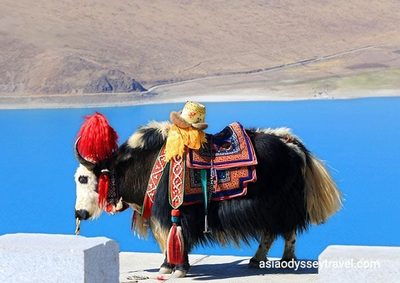
Yak is leaner and slightly gamier than beef, with a deep, earthy flavor. It appears as momo filling, in soups, dried as jerky, and as butter and cheese.
Can I drink the tap water in Lhasa?
Stick to bottled or filtered water, especially while acclimatizing. Tea house drinks and cooked food are safe; ice and unbottled water are best avoided.
From butter tea to momos, Lhasa feeds body and soul. Travel Tibet with our guided tours — your guide knows the best teahouses — or contact us to plan a food-focused Lhasa itinerary.