Why Asia Is Year-Round
Asia stretches from the subarctic north to the equator, which means there is almost always somewhere on the continent enjoying perfect weather. The best time to visit Asia depends entirely on which country, region, and experience you are after: beaches in Southeast Asia, cherry blossoms in Japan, trekking in the Himalayas, or desert silence along the Silk Road. Asia spans from the Arctic to the equator — there's always somewhere in Asia with perfect weather. Here's our month-by-month guide. Below is a season-by-season breakdown of the weather, festivals, crowds, and prices across Asia's most popular destinations, so you can match your travel window to the right place and avoid the two things that ruin trips: monsoon rain and peak-season prices.
January–February: Peak Winter Sun in the South
Best: Thailand, Vietnam, Cambodia, Laos — cool and dry across Southeast Asia. India enjoys pleasant winter weather, with clear skies ideal for the Taj Mahal and Rajasthan. Sri Lanka's west and south coasts are dry and sunny. The Gulf and Oman are beautifully warm for city and desert trips. Avoid: Northern China, Japan, Korea — bitterly cold, though excellent for winter sports and snow festivals like Sapporo's. January and February are peak high season in Southeast Asia, with the highest prices and fullest beaches; book well ahead, especially over the Chinese and Lunar New Year holidays, when flights and hotels fill fast.
March–April: Blossoms & Spring Trekking
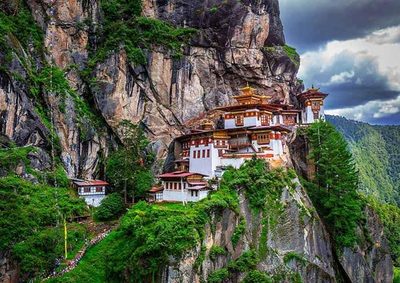
Best: Japan cherry blossom season, drawing visitors from around the world. Nepal and Bhutan enter spring trekking season, with clear Himalayan views before the monsoon. Central Asia opens for spring travel, with green hills and wild tulip blooms. Southern China and Taiwan are warm and flower-filled. Avoid: Northern Thailand's burning season (March–early April), when smoke can blanket Chiang Mai, and the pre-monsoon heat that begins to bake much of Southeast Asia. For Japan timing, see our cherry blossom planning guide.
May–June: The Quiet Shoulder
Best: Indonesia (Bali, Java) enters its dry season. Central Asia is in prime condition — warm days, green pastures, and almost no crowds. Tibet reopens to tourism after the winter closure. The Silk Road cities of Uzbekistan are warm but not yet searing. Avoid: India's plains, which scorch before the monsoon arrives, and the early monsoon rains that sweep across Kerala and the Himalayan foothills. These shoulder months offer lower prices and thinner crowds if you can tolerate occasional afternoon showers. Book internal flights early, as this is also the start of European summer travel.
July–August: Summer Festivals & Northern Escapes
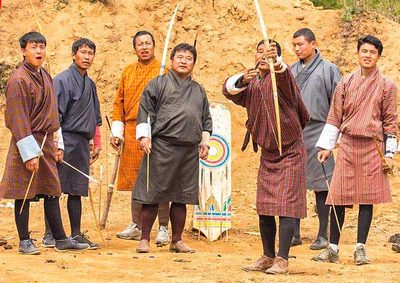
Best: Indonesia's dry season peaks. Mongolia hosts the Naadam Festival, its great summer celebration of horsemanship, archery, and wrestling. Japan's summer festivals (Gion Matsuri in Kyoto, Nebuta in Tohoku) are spectacular, and the Japanese Alps and Hokkaido offer cool relief. China's far north and Inner Mongolia are pleasantly warm. Avoid: Most of Southeast Asia, which is rainy, plus India's monsoon high waters. This is European and North American summer holiday season, so book popular East Asian cities and family resorts early.
September–October: The Continent's Finest Weeks
Best: Arguably the best months for Asia travel overall. China is near-perfect — mild, clear, and golden. Nepal trekking is at its finest as post-monsoon skies turn razor-sharp. Japan's autumn leaves (koyo) begin in the north and sweep south through November. South Korea's foliage and temple stays shine. Avoid: China's first week of October (Golden Week), when domestic tourists fill every train, hotel, and site. Travel either side of that week for the best experience, and book trains and Yangtze cruises early if you must be in the country then.
November–December: Dry Season Returns
Best: Thailand, Vietnam, Cambodia, and Laos enter peak season with cool, dry weather. India's Diwali celebrations light up the country in October or November. Sri Lanka's south and west coasts shine. Dubai and the Gulf turn pleasantly warm for winter sun. Japan's early December illuminations are festive without the peak crowds. Prices and crowds rise through December, especially around Christmas and New Year, so reserve beach and resort stays early.
Quick Reference: Best Months by Country
| Country | Best months | Why |
|---|---|---|
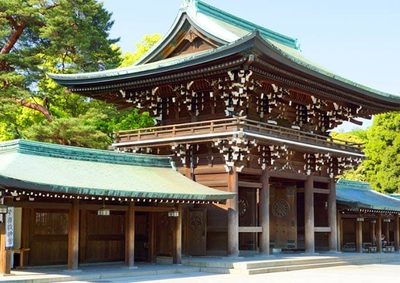
| Japan | late Mar–early Apr; Nov | cherry blossoms / autumn leaves |
| Thailand | Nov–Feb | cool, dry, beach weather |
| Vietnam | Sep–Dec (north); Feb–Apr (south) | low rain, mild heat |
| Cambodia | Nov–Feb | cool and dry for Angkor |
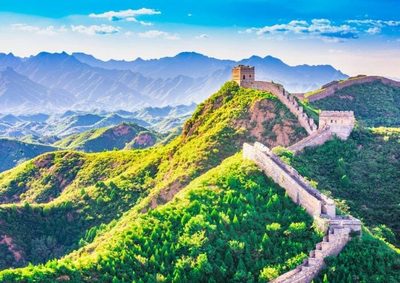
| China | Apr–May; Sep–Oct | mild, clear skies |
| India | Nov–Mar | pleasant winter, festival season |
| Nepal | Oct–Nov; Mar–Apr | best trekking visibility |
| Bali / Indonesia | Apr–Oct | dry season, calm seas |
| Bhutan | Mar–May; Sep–Nov | clear mountain views |
| Mongolia | Jun–Aug | warm grasslands, Naadam |
| Sri Lanka | Dec–Mar (west/south) | dry beach and hill-country weather |
| Uzbekistan | Apr–May; Sep–Oct | comfortably warm Silk Road travel |
Festivals Worth Timing Your Trip Around
Beyond weather, local festivals can make or break the mood of a trip. Cherry blossom season in Japan (late March–early April) and Diwali in India (October or November) are magical but book hotels early. Naadam in Mongolia (July) is the country's great summer celebration. Gion Matsuri in Kyoto (July) and the lantern festivals in Yi Peng, Chiang Mai (November) are once-in-a-lifetime cultural events. On the other hand, Chinese New Year (late January–February) and China's Golden Week (October 1–7) mean domestic travel chaos; if you must visit then, book everything in advance and expect crowds.
For a full month-by-month calendar of celebrations, see our Asian festivals guide. Remember that religious and national holidays can also mean shorter opening hours at museums and temples, even when they are not peak tourist periods.
Quick Picks by Travel Style
Short on time? Match your travel style to a season. Beach and island lovers should head to Thailand, Vietnam, and the Philippines from November to March, or to Bali and Indonesia from April to October. Culture and city travelers get the best of China, Japan, and South Korea in April–May or September–November, when skies are clear and crowds are thinner. Trekkers should target Nepal and the Himalayan foothills in October–November or March–April. Winter sun seekers will find perfect dry weather in Southeast Asia and Sri Lanka from December through February, while festival travelers should plan around cherry blossoms in spring or Diwali and autumn leaves in fall. If you are combining a classic China trip with great weather, our China month-by-month guide maps out every region's ideal window.
Frequently Asked Questions
What is the overall best month to visit Asia?
September and October are the best overall months: China and Japan have perfect weather, Nepal's trekking visibility peaks, and Southeast Asia is drying out after the monsoon. Just avoid China's Golden Week holiday in the first week of October.
When is monsoon season in Asia?
India, mainland Southeast Asia, and southern China see monsoon rains mainly from June to September. Indonesia and the southern hemisphere of Asia are driest from April to October, the opposite window.
When is the cheapest time to visit Asia?
Shoulder months — May–June and September (excluding holidays) — combine lower prices with decent weather. The rainy monsoon months offer the deepest discounts but come with afternoon downpours.
Can I combine multiple countries in one trip?
Yes, but align your seasons. A classic combination is Japan in spring or autumn plus Southeast Asia's dry winter, or a China–Nepal pairing in September and October.
Not sure when to go? Explore our complete travel guide or ask our specialists to match your travel dates with the perfect Asian destinations.