What Is Cherry Blossom Season (Sakura)?
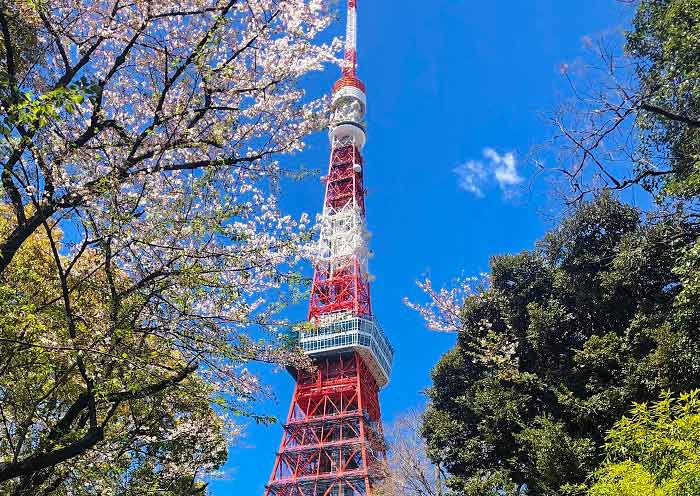
Cherry blossom season, known in Japan as sakura, is the country's most beloved spring rite, when hundreds of cherry tree varieties burst into pale pink and white bloom. Roughly 80% of the flowering trees visitors see are the Somei Yoshino variety, which blooms all at once, carpets the ground with petals, and is usually finished within about a week. The Japanese word hanami means "flower viewing" — the centuries-old custom of gathering beneath the blossoms for picnics, drinks, and parties. Cherry blossom season (sakura) is Japan's most magical time of year. For roughly two weeks, the country transforms into a pastel wonderland. Parks, canals, castle moats, and schoolyards all turn pale pink, and the whole country slows down to picnic beneath the branches.
Every year the Japan Meteorological Corporation publishes a nationwide sakura zensen (cherry blossom front) forecast, tracking the bloom as it slowly drifts north. Peak bloom at any single location lasts only 3 to 5 days, so timing your visit is everything. Below is our planning guide for the 2027 season, with expected dates, crowded and crowd-free spots, how to arrange the ideal hanami picnic, and the etiquette that makes the experience enjoyable for everyone.
When to Go: The 2027 Blossom Forecast
Cherry blossoms open first in southern Japan in late March, progressing northward through April and reaching Hokkaido by early May. These are typical peak-bloom windows based on historical averages; the official forecast is released each January and refined weekly through spring:
- Fukuoka / Kyushu: March 22 – March 31
- Tokyo / Kyoto / Osaka: March 25 – April 5
- Osaka / Nara: March 28 – April 7
- Kanazawa: April 3 – April 12
- Sendai / Tohoku: April 10 – April 20
- Hirosaki (Aomori): April 22 – May 1
- Hakodate / Sapporo (Hokkaido): April 28 – May 5
Because the bloom front moves north at roughly 20 to 30 kilometers per day, you can follow the blossoms for up to six weeks by flying from Kyushu in the south to Hokkaido in the north. If your dates are flexible, the week on either side of peak bloom offers the best of both worlds: kaika (the opening of bloom) for unfurling flowers, and hanafubuki (petal blizzards) for drifting pink snow that settles on paths, rivers, and castle moats. Note that peak bloom can shift by a week either way depending on winter temperatures, so re-check the forecast 7 to 10 days before you fly.
Classic Sakura Spots Worth the Crowds
Some sights are so iconic they merit joining the crowds. Ueno Park in Tokyo holds over 1,000 trees and Japan's most famous hanami parties, with thousands of blue tarps spread beneath the branches. The Philosopher's Path (Tetsugaku-no-Michi) in Kyoto is a two-kilometer stone canal lined with hundreds of trees that shed petals onto the water. Mt. Yoshino in Nara is Japan's most celebrated cherry blossom mountain, while Takada Castle in Niigata and Hirosaki Castle in Aomori round out the country's top three spots, famous for petal-filled moats and nighttime lantern illuminations. Viewing the blossoms after dark is known as yozakura, and it is an entirely different, luminous experience worth staying late for. Arrive before 8 AM at the busiest spots to enjoy the trees in near-solitude before the tour buses arrive.
Hidden Sakura Spots Beyond the Crowds
Kawagoe, Saitama
The "Little Edo" district features a 2km cherry tree-lined riverbank with far fewer tourists. Kawagoe is only a 30-minute train ride from central Tokyo, making it the easiest crowd-free escape on this list. After viewing the trees, wander the preserved warehouse district (Kurazukuri) for old-Tokyo atmosphere and sweet-potato snacks.
Yoshino, Nara Prefecture
Japan's most famous cherry blossom mountain, with 30,000 trees across four zones at different elevations. Because the zones bloom at staggered times depending on altitude, blossom season on Mt. Yoshino stretches for nearly a month — one of the most forgiving destinations if your forecast is uncertain.
Hirosaki Castle, Aomori
The castle moat fills with a carpet of fallen petals, and rowboats let you drift under overhanging branches. Hirosaki Park hosts roughly 2,600 trees and one of Japan's largest cherry blossom festivals, usually running from late April through early May.
More quiet picks
For even more solitude, try the lower senbon trails of Mt. Yoshino, the Shukugawa River in Nishinomiya, or the tree-lined samurai district of Kakunodate in Akita, where centuries-old cherry trees line a preserved castle town. Rural parks across Kyushu and Shikoku see a fraction of Tokyo's crowds while offering equally photogenic avenues of bloom.
How to Plan the Perfect Hanami Picnic
Hanami is as much about the picnic as the blossoms. Department-store basements and supermarkets sell special spring bento boxes, or grab convenience-store onigiri, sushi rolls, and cold sake in a can. Arrive early to claim a spot under the best trees — at popular parks, groups often reserve the lawn from the morning for evening parties. Bring a plastic tarp to sit on, pack out all your trash (public bins are scarce), and respect spots already reserved by others. Most hanami gatherings run into the evening, when the illuminated yozakura scenes make staying late completely worthwhile. Drinks flow at many parties, but keep noise respectful, especially around residential parks, and never shake tree branches to force down petals.
Booking & Budget Tips for Sakura Season
Hotel prices in Tokyo and Kyoto roughly double during peak bloom, and the best ryokans sell out 6 to 12 months ahead. Book your first and last nights in Tokyo and your Kyoto nights immediately once you have dates. A JR Pass helps you chase the bloom between cities without per-ticket sticker shock. If your budget is tight, stay one station outside the prime sakura districts and walk or train in — you will save 30% or more for a 10-minute commute.
Frequently Asked Questions
When is cherry blossom peak in Tokyo and Kyoto for 2027?
Based on historical averages, expect peak bloom in Tokyo and Kyoto around March 28 to April 5, 2027. The official Japan Meteorological Corporation forecast is released each January and updated weekly, so re-check it as your trip approaches.
How long does cherry blossom season last?
At any single location, peak bloom lasts only 3 to 5 days, and the petals usually fall within one to two weeks. Across the whole country, the northward-blooming front stretches from late March in Kyushu to early May in Hokkaido — about six weeks total.
What should I wear for cherry blossom season?
March and April in Tokyo and Kyoto bring highs of 12 to 18°C with chilly mornings and evenings. Dress in layers with a light jacket, comfortable walking shoes, and a compact umbrella for occasional rain. Many visitors hire a kimono for a day in Kyoto for photos beneath the blossoms.
Is cherry blossom season expensive?
Yes. Accommodation and flights peak during sakura season, and popular hotels book out 6 to 12 months ahead. Book early, stay just off the main sakura districts, and consider a JR rail pass to stretch your budget. A guided cherry blossom tour handles timing and reservations for you.
Ready to plan your own sakura journey? Browse our Japan cherry blossom tours, compare seasonal windows in our by-season travel guide, or request a custom cherry blossom itinerary tailored to your travel dates.