Timing your trip around an Asian festival can transform a great vacation into an unforgettable cultural experience. From India's explosions of color to Thailand's nationwide water fight — here are the 22 festivals worth planning your trip around in 2026.
Why Travel Around Asian Festivals?
Festivals are the living heartbeat of Asia — they are when families reunite, temples overflow, streets close, and cities put on their finest. Attending one is not a side attraction; it is often the single most memorable day of a trip. The trade-off is crowds and booked-out accommodation, so plan 3-6 months ahead for the biggest events. Below is a month-by-month calendar of 22 unmissable celebrations.
January–March: New Year & Color
Chinese New Year (late Jan/Feb): The world's largest human migration. Book months ahead. Beijing's temple fairs and Hong Kong's fireworks are spectacular. Vietnam's TET, Seoul's Seollal, and Singapore's Chinatown all celebrate in their own way. Holi (India, Mar): The Festival of Colors transforms India into a joyous paint fight. Jaipur and Vrindavan offer the most authentic experiences — wear white, cover your camera, and expect to be doused in gulal powder. Harbin Ice Festival (China, Jan-Feb): The world's largest ice sculpture festival — entire buildings carved from frozen Songhua River blocks, illuminated neon at night. Temperatures drop to -30C, so pack seriously.
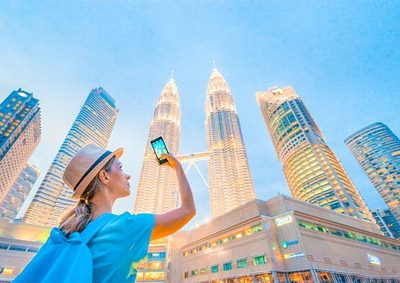
Thaipusam (Malaysia/Singapore, Jan/Feb): Tamil Hindu devotees carry massive kavadi (devotional structures) pierced through their bodies in a 5km procession up Batu Caves near Kuala Lumpur. Tengchong and Yunnan festivals: The Water Splashing Festival prelude in Xishuangbanna in mid-April is China's own Songkran.
April–June: Water & Light
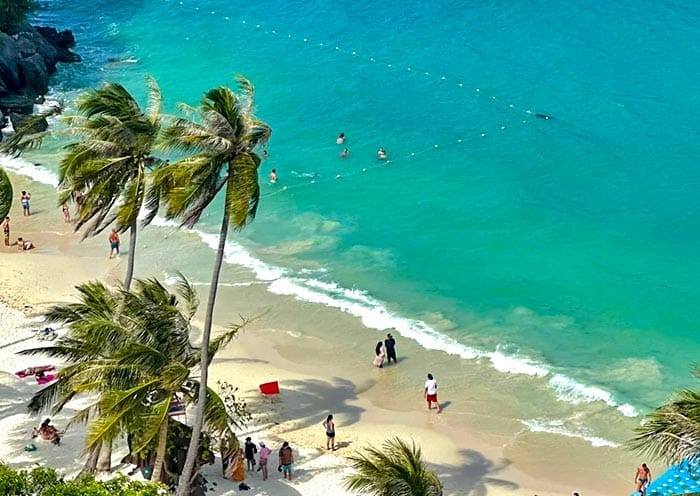
Songkran (Thailand, Apr 13-15): The world's biggest water fight — streets transform into party zones. Chiang Mai is the epicenter, with six days of continuous water warfare. Siem Reap and Luang Prabang celebrate more gently. Cherry Blossom Season (Japan, Mar-Apr): Not a single festival but a nationwide celebration. See our Japan Cherry Blossom guide for detailed planning. Vesak (Sri Lanka/Myanmar, May): The Buddha's birth, enlightenment, and death all celebrated on the full moon of Vesak. Streets of Colombo are strung with paper lanterns.
Coricancha and O-Bon prelude: Tibet's Saga Dawa Festival (June) marks the Buddha's enlightenment with circumambulation of the Potala Palace. It is the most spiritual time to visit Lhasa. See our Lhasa monasteries guide for context.
July–September: Mountains & Warriors
Gion Matsuri (Japan, Jul): Kyoto's month-long celebration with massive traditional floats (yamaboko) pulled through streets. The July 17 yamaboko junko parade is one of Japan's three most iconic festivals. Naadam Festival (Mongolia, Jul 11-15): The "three manly games" — wrestling, horse racing, archery — in Ulaanbaatar's national stadium. A once-in-a-lifetime cultural explosion on the steppe. Tanabata (Japan, Aug 7): The star festival, with colorful paper streamers hanging across shopping arcades in Sendai and Hiratsuka.
Philippine Kadayawan (Davao, Aug): A harvest festival of indigenous tribes, flowers, and durian. India's Raksha Bandhan and Janmashtami (Aug): Krishna's birth celebrated with human pyramids breaking dahi handi pots in Maharashtra.
October–December: Lanterns & Lights
Loy Krathong (Thailand, Nov): Thousands of candle-lit baskets float on rivers under a full moon. Chiang Mai's Yi Peng lantern release is magical — release a paper lantern into the sky and make a wish. Diwali (India, Oct/Nov): The Festival of Lights — entire cities glow with oil lamps and fireworks. Varanasi and Jaipur are the most spectacular; book 6 months ahead. Tet Trung Thu (Vietnam, Sep/Oct): The Mid-Autumn children's festival, with lion dances and mooncake streets in Hanoi's Old Quarter.
China's National Day (Oct 1-7): A week-long national holiday — spectacular in Beijing's Tiananmen, but avoid travel days 1 and 7 when 700 million Chinese move. Christmas and New Year in Asia: Bali's Nyepi (Balinese Day of Silence, March) is the opposite — the entire island shuts down for 24 hours. Deepavali in Singapore and Malaysia: Little India and Brickfields glow with oil lamps, gilded floral kolam, and firework shows — one of the most accessible Indian festival experiences outside India. Philippine Sinulog (Cebu, third Sunday of January): A 9-hour street parade of drums, costumes, and Sto. Nino statues — the biggest fiesta in the Visayas. India's Pushkar Camel Fair (November): 50,000 camels, turbaned mustache contests, and desert sunsets — Rajasthan's most photogenic event.
Festival Etiquette & Practical Tips
Festivals are joyful, but they are also sacred. A few rules of thumb will keep you welcome: dress modestly at temple events (covered shoulders and knees); ask before photographing monks, pilgrims, or ceremonial participants; keep your voice low during processions and prayers; wear old clothes to Holi and Songkran (they will be ruined); and respect that some rituals are not spectator sports — particularly alms-giving in Luang Prabang and temple fire-walks in Sri Lanka. Avoid pointing your feet at people or religious images, and remove shoes at every temple threshold.
Practically, book accommodation 3-6 months ahead for the biggest events (Chinese New Year, Diwali, cherry blossom, Naadam). ATMs can run dry during multi-day holidays — carry cash. Street food stalls multiply during festivals, so come hungry and carry small bills. For major Indian festivals, book train tickets the minute they open (60 days ahead) — they sell out in minutes.
Festival Calendar at a Glance
| Month | Festival | Country | Book Ahead |
|---|---|---|---|
| Jan-Feb | Harbin Ice Festival | China | 3-4 months |
| Jan/Feb | Chinese New Year / TET | China/Vietnam | 5-6 months |
| March | Holi | India | 3-4 months |
| April 13-15 | Songkran | Thailand | 2-3 months |
| July | Naadam | Mongolia | 4-6 months |
| July | Gion Matsuri | Japan | 4-5 months |
| Oct/Nov | Diwali | India | 5-6 months |
| November | Loy Krathong / Yi Peng | Thailand | 3-4 months |
For more timing inspiration, check our Best Time to Visit Asia month-by-month guide and the Travel Guide festival calendar.
Frequently Asked Questions
Which Asian festival should I plan my entire trip around?
If you can only choose one, book either Diwali in India (October-November, cities aglow with lamps), Yi Peng in Chiang Mai (November, lanterns rising over the old city), or Holi in Rajasthan (March, color-filled joy). Each is a once-in-a-lifetime experience. Smaller, less-crowded alternatives include Pushkar's Camel Fair (November), O-Bon in Kyoto (August), and Saga Dawa in Lhasa (June).
Are festivals safe for solo travelers?
Yes, but expect crowds and pickpocketing risk. Keep valuables in a money belt, agree on fares before jumping in a tuk-tuk, and for water festivals (Songkran), waterproof your phone and leave bags in the hotel. Indian festival cities see a surge in scammers targeting tourists — book official tours and taxi stands, not self-styled "guides" who approach you on the street.
Do I need special permission to attend religious festivals?
Most are open to tourists. Dress modestly (covered shoulders and knees) for temple events. Thaipusam at Batu Caves and Buddhist alms ceremonies in Luang Prabang welcome respectful observers but ask that you not block processions or photograph monks without asking.
What is the cheapest time to attend a major festival?
Festival dates are peak pricing by definition. The best value is to arrive a few days before the official date — celebrations often build up for a week beforehand, and prices rise 30-50% on the peak days themselves. Shoulder-weekend attendance gives you 80% of the experience at half the cost.
Want to experience a festival with local experts? Explore India tours, Thailand tours, or contact us to build a festival-centered itinerary in 2026 or 2027.