
How to Choose the Best Time to Visit China
China's climate varies dramatically from north to south and east to west. The timing of your trip depends on where you want to go and what you want to experience. Here's our month-by-month guide. A single weather forecast for "China" is meaningless: Harbin in the north can be -30C in January while Sanya on Hainan Island is a beach destination at +25C the same day. This guide breaks the country into broad regions — north (Beijing, Xi'an, Harbin), east (Shanghai, Suzhou, Hangzhou), southwest (Chengdu, Guilin, Yunnan), and the high west (Tibet, Xinjiang, Silk Road) — and tells you exactly what to expect each month.
Spring (March-May): The Best All-Round Season
March: Early spring in the south. Cherry blossoms in Wuhan and Nanjing. Mild temperatures in most regions. April: Peak cherry blossom season. Perfect weather for Beijing, Xi'an, and Shanghai. May: Warm nationwide. Great for Guilin and Yangshuo.
March is a transitional month: northern China (Beijing, Xi'an) can still be chilly at 8-15C and occasionally windy, while the south (Shanghai, Guilin) climbs to 15-22C and the first cherry blossoms open in Wuhan University's famous campus. April is arguably the single best month to visit: Beijing averages 10-25C, Xi'an 10-26C, and Shanghai 13-22C, with peach and cherry blossoms across the country. May warms up quickly, reaching 20-30C in eastern cities and making Guilin's Li River cruises and Yangshuo's cycling trails truly comfortable. The main downside in late April and May is the May 1-5 Labor Day holiday, a week-long domestic travel surge that books out trains and hotels.
Summer (June-August): Family Holiday Season
June: Warm and pleasant across most of China. Dragon Boat Festival (late June). July: Hot and humid, especially in Beijing and Shanghai (35C+). Escape to Zhangjiajie, Huangshan, or Yunnan where temperatures are cooler. August: Similar to July. Peak tourist season — book well in advance.
Summer is monsoon season in southern and eastern China. Beijing and Shanghai regularly top 35C with high humidity, and afternoon thunderstorms are common in Guilin and Guangzhou. The smart summer strategy is to head for the highlands: Yunnan (Kunming, Dali, Lijiang) stays 18-26C all summer, Zhangjiajie's mountain tops are 10C cooler than the valleys, and Huangshan (Yellow Mountain) is a classic summer escape. For families, however, summer is the only school-holiday window, and the long days make it excellent for the Silk Road (Xinjiang has 15-hour daylight in July) and Inner Mongolia. Book hotels and trains 6-8 weeks ahead.
Autumn (September-November): The Perfect Season
September: Beautiful weather — warm days, cool evenings. Fewer crowds than summer. October: Golden autumn — the best month for photography. Fall foliage in Beijing, Huangshan, and Jiuzhaigou. National Day holiday (Oct 1-7) is extremely busy. November: Cool and clear. Great for southern regions (Guilin, Yunnan, Hong Kong).
Mid-September through mid-November is widely considered the best travel window in China: humidity drops, skies clear, and temperatures settle into a comfortable 15-25C across the north and east. The October 1-7 National Day Golden Week is the one exception — it is the busiest domestic travel week of the year, and prices double at major sites. If you must travel in October, target the second half of the month, when crowds thin out and autumn foliage peaks in Beijing's Fragrant Hills, Chengdu's Jiuzhaigou, and Huangshan. November is wonderfully quiet: northern cities are crisp at 5-15C, while Hainan, Hong Kong, and Guangzhou remain beach-friendly at 20-26C.
Winter (December-February): Fewer Crowds, Lower Prices
December: Cold in the north (-5C in Beijing), mild in the south (15C in Hong Kong). Start of the Harbin Ice Festival. January: The coldest month. Harbin Ice Festival is at its peak. Excellent for winter photography. February: Chinese New Year (Spring Festival) — the world's largest annual migration. Spectacular but book everything well in advance.
Winter is the best value season for travelers who can handle cold. Beijing drops to -5 to 5C and Xi'an to -3 to 7C, but the Great Wall at Mutianyu in snow is one of the most photogenic scenes in China. The Harbin Ice and Snow Festival (January 5 - February 25) is the highlight, with massive illuminated ice castles and world-class ice sculpture competitions. In complete contrast, Sanya on Hainan Island averages 25C all winter and is China's tropical beach escape. Chinese Lunar New Year, usually late January or February, is magical — red lanterns, lion dances, and family feasts — but 80% of small family-run restaurants close for 7-10 days and long-distance transport sells out weeks ahead.
Month-by-Month Cheat Sheet
| Month | Best regions | Crowds | Signature event |
|---|---|---|---|
| January | Harbin, Sanya, Hong Kong | Low (except Harbin) | Harbin Ice Festival |
| February | Yunnan, Hainan, Hong Kong | Medium (CNY week high) | Chinese New Year |
| March | Wuhan, Nanjing, Shanghai | Low | Cherry blossoms start |
| April | Beijing, Xi'an, Shanghai | Medium | Peak cherry blossom |
| May | Guilin, Yangshuo, Chengdu | High (Labor Day) | Li River cruises |
| June | Yunnan, Inner Mongolia | Medium | Dragon Boat Festival |
| July | Zhangjiajie, Xinjiang, Tibet | High | Naadam (Inner Mongolia) |
| August | Huangshan, Tibet, Silk Road | High | Naadam continues |
| September | Beijing, Xi'an, Shanghai | Medium | Mid-Autumn Festival |
| October | Jiuzhaigou, Beijing, Huangshan | Very high (Golden Week) | Autumn foliage |
| November | Guilin, Yunnan, Hong Kong | Low | Clear skies, quiet |
| December | Harbin, Sanya | Low | Ice Festival opens |
Weather by Region at a Glance
Because China spans multiple climate zones, the same calendar month can mean beach weather in Hainan, skiing in Heilongjiang, and dust storms in Inner Mongolia. North China (Beijing, Xi'an, Harbin) has a dry temperate climate: hot summers, freezing winters, and two short, pleasant shoulder seasons. East China (Shanghai, Suzhou, Hangzhou) is humid subtropical: steamy summers, cool damp winters, and a plum-rain (meiyu) season in June. South China (Guangzhou, Guilin, Hainan) is subtropical to tropical, with year-round warmth and a wet summer monsoon. Northwest China (Xinjiang, Gansu, Silk Road) is arid desert with extreme day-night temperature swings. Tibet and Qinghai are high-altitude plateaus where summer nights can still drop below freezing. Match your route to the season rather than expecting a single national forecast. For a wider Asia comparison, read our best time to visit every Asian country.
Frequently Asked Questions
What is the absolute best month to visit China?
Mid-September to mid-October, avoiding the October 1-7 National Day holiday, offers the most comfortable weather nationwide and the best autumn scenery. April is a close second for first-time visitors focusing on Beijing, Xi'an, and Shanghai.
When is the cheapest time to fly to China?
Mid-January to early February (excluding Chinese New Year week) and late November to early December typically offer the lowest international airfares, often 30-40% below October peak prices.
Can I visit Tibet at any time of year?
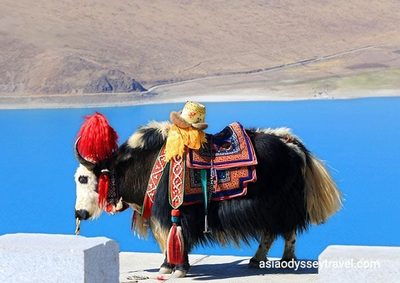
The best window for Tibet is May to mid-October. Winter (November-March) is extremely cold, many high passes close, and some hotels and restaurants shut. Read our Tibet travel guide for seasonal detail.
Is summer a bad time to visit China?
Not if you head to the highlands. Coastal and eastern cities are hot and humid, but Yunnan, Zhangjiajie, Huangshan, Xinjiang, and Tibet all offer comfortable summer temperatures and long daylight hours.
What should I pack for shoulder season?
Layers. April and October in Beijing can swing from 10C at dawn to 25C by midday. Bring a light jacket, a sweater, a rain shell, and comfortable walking shoes — our Asia packing list has the full checklist.
Tell us your preferred travel dates and we will match you to the perfect season. Browse China tours by season or ask our experts for a custom itinerary built around the weather, festivals, and crowds you want.