
The Golden Rule of Packing for Asia
Packing for Asia is different from packing for Europe. The climate can swing from tropical humidity to high-altitude chill, laundry is cheap and fast everywhere, and you will want to pick up lightweight clothes at local markets. Packing for Asia is different from packing for Europe. The climate can swing from tropical humidity to high-altitude chill, laundry is cheap everywhere, and you'll want to buy things at local markets. The golden rule: pack HALF what you think you need, then subtract a few more items. Below is our region-by-region checklist covering Southeast Asia, East Asia, and the high Himalayas, plus the universal electronics and health items no Asia trip should leave home without.
Southeast Asia (Thailand, Vietnam, Cambodia, Indonesia): Light & Breathable
Temperature: 25–35°C, humid. Pack: 3–4 lightweight t-shirts/tanks, 2 pairs shorts, 1 pair lightweight pants (temples require covered knees), 1 sundress/collared shirt for nice dinners, swimwear, flip-flops AND comfortable walking sandals, light rain jacket (monsoon). BUY there: sarong (multi-use — towel, cover-up, beach blanket), elephant pants ($3 at any market), sunscreen (cheaper at home for good brands). DO NOT pack: jeans (too heavy, never dry), fancy shoes (you'll live in sandals). Browse Southeast Asia tours →
Remember that temples require shoulders and knees covered, so a lightweight scarf or sarong doubles as both a beach cover-up and respectful temple attire. Mosquito repellent with DEET is essential, especially in rural and jungle areas, and bring a compact umbrella that doubles as a sunshade. Reusable water bottles with a filter save money and plastic.
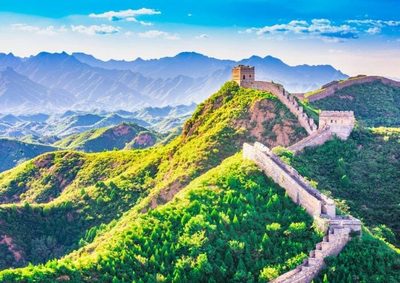
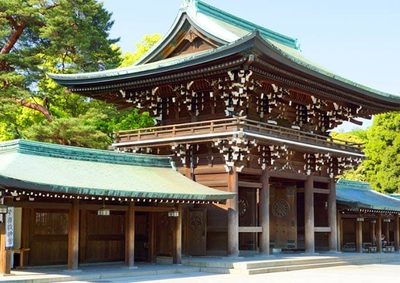
East Asia (Japan, Korea, China, Taiwan): Layer Up
Temperature: highly variable by season. Pack: comfortable walking shoes (you'll walk 15,000+ steps/day), layers — light jacket + sweater + t-shirts, modest clothing (Japan and Korea are conservative), socks without holes (you'll remove shoes in temples/ryokans). Pack for the specific season — Japan winter needs serious coat, spring just needs light jacket. BUY there: amazing skincare products in Korea/Japan, unique socks at variety stores. DO NOT: wear flip-flops in cities (looks sloppy in East Asia), forget a power bank (translation apps and maps drain your phone). See Japan tours →
Comfortable, broken-in walking shoes are the single most important item. You will average 15,000 to 20,000 steps a day between temples, museums, and subway transfers. Slip-on shoes are also handy since you remove them in homes, ryokans, and many traditional sites. A compact foldable umbrella is standard in Japan and Korea year-round.
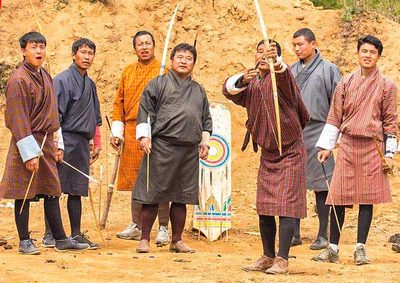
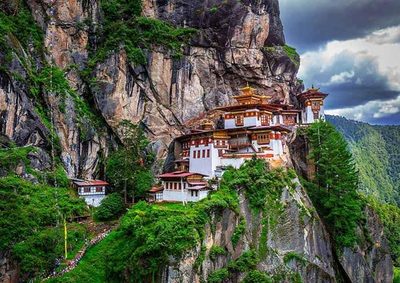
Himalaya & High Altitude (Nepal, Tibet, Bhutan)
Temperature: 5–25°C depending on altitude, cold mornings/evenings. Pack: 4-season layers — thermal base layer, fleece, lightweight down jacket, waterproof shell (pack all 4 for treks), sturdy hiking boots (broken in!), thick socks, sun protection (UV is brutal at altitude — SPF 50+, lip balm, sunglasses), reusable water bottle. BUY there: trekking poles, wool hats, and yak wool blankets in Kathmandu for pennies. Explore Nepal treks → and read our Altitude Guide.
Altitude UV is deceptive because cold air feels cooler than it is — sunburn and windburn happen quickly even on cloudy days. Acclimatize slowly, drink water constantly, and avoid overexertion in the first days at height. Packing cubes help organize layers on multi-day teahouse treks, and a headlamp is essential for morning starts and village lodges with limited power.
Universal Asia Packing List
Always pack: Universal power adapter, power bank (20,000 mAh), photocopies of passport + visa, basic first aid (imodium, rehydration salts, ibuprofen), padlock for hostel lockers, quick-dry towel, ziplock bags (protect electronics from monsoon), pack of wet wipes. Never pack: Too many shoes (2 pairs max), heavy books (use a Kindle), expensive jewelry (makes you a target), full-size toiletries (buy travel-size or at destination). For more trip prep: How to Plan Your Trip · Travel Guide.
Add a small laundry soap sheet for hand-washing on longer trips, a money belt for passports and cards, and a printed copy of your hotel addresses in local script for taxi drivers. For China specifically, plan your connectivity before you arrive — see our internet and VPN guide so maps and messaging work from day one.
Health, Money & Documents
Pack a small, organized health kit: rehydration salts, anti-diarrheal tablets, painkillers, antiseptic wipes, bandages, any prescription medicines (in original packaging, with a copy of the prescription), and a basic motion-sickness remedy for long mountain roads. Mosquito repellent and SPF 50+ sunscreen are essentials across tropical Asia, and a high-quality lip balm matters in the dry Himalayan air. Bring a reusable filtered water bottle to cut plastic and save money.
For money, carry a mix of a widely accepted travel credit card, a small amount of US dollars to exchange on arrival, and a debit card for ATMs. Keep your passport, visa, and tickets in a money belt, and store digital copies in a cloud drive and on a password-protected phone note. A printed copy of your first hotel address in local script saves taxi confusion everywhere. Read our payment methods guide for details on WeChat Pay, cards, and cash in China, and check our travel guide for country-specific health and entry advice before you fly.
What to Buy Once You Arrive
One of the joys of packing light for Asia is what you can pick up on the road. In Southeast Asia, buy a lightweight sarong, comfortable elephant pants, a sun hat, and cheap rubber flip-flops at the first market. In Japan and Korea, restock skincare, socks, and unique convenience-store snacks. In Nepal, buy trekking poles, a wool hat, and a yak-wool blanket in Kathmandu for a fraction of back-home prices. Not only does this save suitcase space, it means you leave with meaningful local souvenirs instead of overpriced airport keychains.
Remember the golden rule: pack half of what you think you need. Laundry in Asia is cheap, fast, and ubiquitous, and you can replace almost anything you forget for a few dollars locally. Travel light, walk more, and spend your energy on the journey rather than your luggage. Safe travels, and happy packing for your big Asia adventure.
Frequently Asked Questions
What should I pack for a multi-region Asia trip?
Start with lightweight layers you can mix and match, a warm fleece or down jacket for high altitude or winter cities, and versatile walking shoes. Laundry services are cheap across Asia, so you can re-wash and re-wear.
Can I do Asia with carry-on luggage only?
Yes, especially in Southeast Asia. Pack quick-dry fabrics, do laundry weekly, and buy cheap local clothes as needed. A carry-on plus daypack is enough for most two-to-three-week trips.
What shoes are best for Asia?
One pair of comfortable, broken-in walking shoes or sneakers and one pair of sandals. Avoid new shoes — blisters are the most common travel ailment on multi-city trips.
Do I need any electronics adapters in Asia?
Yes. Japan uses flat two-prong plugs, China and much of Southeast Asia use a mix, and India uses different round pins. Bring a universal travel adapter and a compact power bank to keep maps and translation apps alive all day.
Packing smart is half the journey. Browse our ready-made Asia itineraries or ask our team for a packing list tailored to your exact route and season.