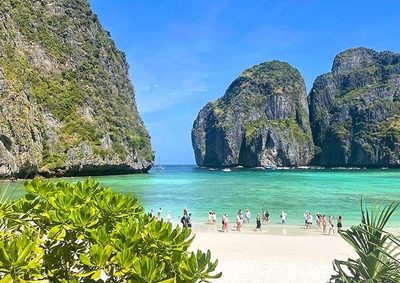
When most people think of Thailand, they picture turquoise waters and white sand beaches. But head north to the misty mountains of Chiang Mai and Chiang Rai for a completely different Thailand.
Here, in the highlands that rise toward the Myanmar and Laos borders, terraced rice fields step down steep valleys, morning fog clings to the peaks, and more than half a million people from ethnic minority communities tend swiddens, weave intricate textiles, and worship in ways that predate the Thai kingdom. A hill tribe trek is the best way to meet them: a multi-day walk through forest and village that combines soft trekking with genuine cultural exchange. Done ethically, it is also one of the most rewarding experiences in all of Southeast Asia.
Who Are the Hill Tribes?
Northern Thailand is home to several distinct ethnic minority groups: the Karen, Hmong, Akha, Lahu, Lisu, and Yao (Mien). Each has its own language, traditional dress, and customs.
The Karen are the largest and most widespread, celebrated for their weaving and for the long-neck women whose brass coils draw visitors to specialist villages. The Hmong, known for their embroidered batik and silver jewelry, have largely replaced opium cultivation with coffee, cabbage, and fruit, and they hold lively New Year festivals. The Akha, easily recognized by their elaborate headdresses, practice animist ancestor worship and build spectacular carved village gates. Smaller groups such as the Lahu, Lisu, and Yao add further layers to a region where a half-hour drive can cross three languages.
Choosing an Ethical Trek
Ethical treks prioritize: small groups (4-8 max), community-led experiences, fair compensation, and overnight stays in village homestays rather than commercial resorts.
Beyond that checklist, ask a few questions before you book. Does the tour company pay the village directly, and how much of your fee reaches the host community? Are visits to long-neck Karen villages optional rather than staged photo stops? Do trekkers sit with families for meals rather than being served by outside staff? Reputable operators based in Chiang Mai will answer all of this openly. Avoid the cheap overnight treks sold on every Khao San Road sidewalk; they typically dump large groups into a handful of commercial villages and contribute little to local people.
What a Typical Hill Tribe Trek Looks Like
Most treks run two to three days and start from Chiang Mai or Chiang Rai. Day one is a gradual climb through dipterocarp forest to a Karen or Hmong village, where you share a meal with your host family, learn to grill sticky rice over an open fire, and sleep on a mattress in a traditional stilt house. Day two continues over a ridge with views toward Myanmar, crossing streams and passing coffee plots, before descending to a second village. Many routes end with an optional bamboo-raft float back to the valley floor.
Difficulty is moderate rather than severe: expect five to seven hours of walking a day on well-used trails, at elevations between 800 and 1,500 meters. A reasonable level of fitness is all you need. Pack light, hire a local guide through a registered agency, and bring a headlamp, a refillable water bottle, and a small gift such as pens or school supplies for the village children.
The Best Time to Trek in Northern Thailand
The cool, dry season from November to February is the classic window: daytime temperatures hover around 25-30 degrees Celsius, nights in the highlands can dip to 10-15 degrees, and the skies are clear. This is also when the famous Loi Krathong and Yi Peng lantern festivals light up Chiang Mai in November, and when Hmong and Karen New Year celebrations unfold across the hills. The hot season (March to May) is uncomfortable for walking, and the green season (June to October) turns trails slippery but also renders the mountains vividly green and far quieter. For a month-by-month breakdown across the region, see our guide to the best time to visit each Asian country.
Beyond Trekking
- Elephant Nature Park: Ethical sanctuary near Chiang Mai, where rescued elephants roam free and visitors observe rather than ride.
- Doi Inthanon National Park: Thailand's highest peak at 2,565m, with waterfalls, royal chedis, and hill tribe villages on its lower slopes.
- White Temple (Wat Rong Khun): Contemporary art-temple in Chiang Rai, a blinding-white vision that ranks among the most photographed religious buildings in the country.
Pair your trek with a slower day in Chiang Mai itself, exploring its gilded wats and night bazaar, or continue east to Chiang Rai for the Golden Triangle and the hill tribe museums. If temples are your passion, our roundup of the must-see temples in Southeast Asia will help you plan the wider route.
Festivals and Experiences to Time Your Trip Around
If you can plan around a festival, your trek becomes far more than a walk. The Hmong New Year, usually falling in late November or December, is celebrated with ball-tossing games, traditional clothing, and feasts that last for days. The Karen New Year in late December features drum processions and bamboo dances, while Akha festivals mark the planting and harvest seasons with offerings to village spirits. Even outside festival season, you can often join villagers for an evening of qeej (a Hmong reed pipe) music or help with the daily chores of fetching water and feeding chickens.
Many visitors also combine a trek with a community-based tourism stay: spending two or three nights in a single village rather than walking between several. This slower model lets you learn weaving, help in the rice fields, or simply sit and talk, and it directs more of your money to the host family. It is especially rewarding for families and for travelers who want depth rather than a checklist of viewpoints.
Practical Tips for Hill Tribe Travel
- Dress modestly: cover shoulders and knees in villages, and ask permission before photographing people, especially long-neck women.
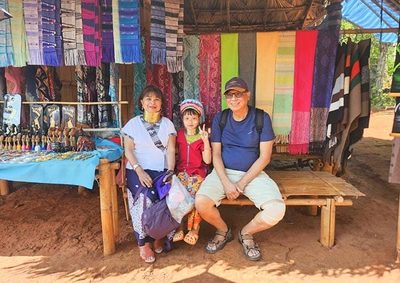
- Bargain gently: handicraft prices are rarely set in stone, but a fair price supports the weaver.
- Learn a few words: even hello and thank you in the local language transform the visit.
- Respect taboos: do not touch sacred spirit posts, and avoid stepping on thresholds.
- Pack out what you pack in: many villages have no waste disposal.
Frequently Asked Questions
Are hill tribe treks ethical?
They can be, but only when booked with responsible operators. Choose small-group, community-based treks that pay villages directly and avoid staged "human zoo" villages. The trek model is increasingly regulated in Thailand, and reputable Chiang Mai companies publish exactly how your fee is shared.
Do I need to be fit for a hill tribe trek?
No special fitness is required beyond the ability to walk five to seven hours on uneven trails. Treks are graded, and you can choose half-day, one-day, or multi-day routes. If you want easier cultural immersion, a village homestay without long walking works well too.
Can I visit the long-neck Karen villages on a trek?
Some tours include them, but opinions are divided: critics argue the villages are commercialized and exploit the women. If you go, ask how much of the entry fee reaches the families and treat the visit as a conversation rather than a photo opportunity. Many ethical operators skip these villages entirely.
What should I pack for a trek in northern Thailand?
Sturdy walking shoes, light long trousers, a warm layer for cool-season nights, a rain shell, sun protection, a headlamp, and a refillable water bottle. Our Asia packing list covers the essentials for every region.
Ready to trade the beach towel for hiking boots? Our Thailand tours include small-group northern hill tribe treks with community-led homestays, and we are happy to tailor the route around the seasons and festivals you want to see. Get in touch and let us design the northern Thailand trip you will remember.