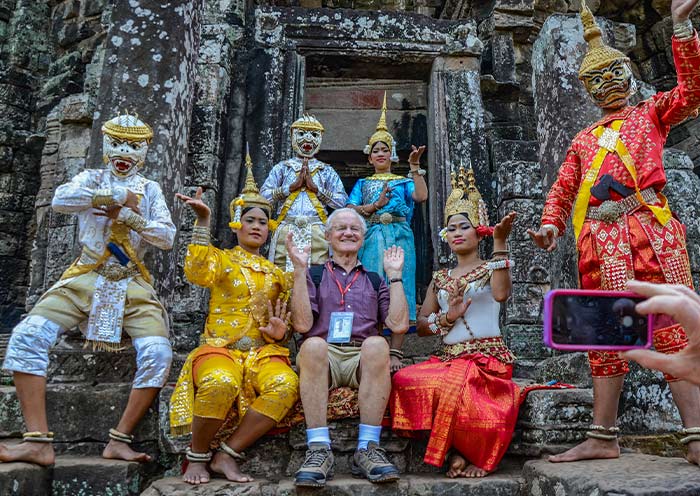
Most travelers rush through Cambodia on a whistle-stop Siem Reap temple tour. Slow down — this country rewards those who linger with warm smiles, haunting history, and some of Southeast Asia's most underrated landscapes.
Cambodia sits between Thailand, Vietnam, and Laos, and its modern story is inextricably linked to the temples of the Khmer Empire, which at its 9th-century peak ruled much of the region. Beyond Angkor, you will find a capital rebuilding itself, vast freshwater lakes, coastal pepper plantations, and mountains that still hold wild elephants. It is a country that asks you to travel thoughtfully and pays you back with generosity. Our Cambodia tours are built around that slower, deeper route.
Angkor: How to Do It Right
Angkor Archaeological Park spans 400 square kilometers and contains over 1,000 temples. Don't try to see it all. The essential circuit: sunrise at Angkor Wat (enter through the west gate by 5am), morning exploring Angkor Thom and the Bayon (200+ massive stone faces), afternoon at Ta Prohm (the jungle temple), and sunset from Pre Rup. Buy the 3-day pass — it gives you breathing room to explore at a human pace.
The park is enormous, and the heat by midday is punishing. Hire a licensed guide and an air-conditioned tuk-tuk driver for two or three days. Outside the big-name temples, seek out Banteay Srei, the intricate pink-sandstone citadel 30 kilometers northeast, and Kbal Spean, a riverbed carved with lingams. Entry tickets now require a photo and are checked at most sites. For a wider comparison, Angkor Wat also tops our list of the must-see temples in Southeast Asia.
Tonlé Sap Floating Villages
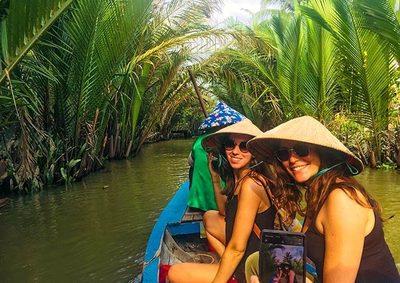
Southeast Asia's largest freshwater lake expands to five times its dry-season size when the Mekong floods. Whole communities live on the water — floating schools, churches, shops, and even pig pens. Visit Kompong Khleang, the least touristy of the floating villages, to see a way of life that has existed for centuries.
The lake's flood-pulse drives one of the most productive freshwater fisheries in the world. Boats leave from Siem Reap or from nearby villages; choose an operator that pays the village community directly rather than docking at staged tourist stops. Bring a hat, sunblock, and cash for the small entrance fees collected by the communes.
Phnom Penh
Cambodia's capital has emerged from its tragic past as one of Asia's most interesting cities. The Royal Palace and Silver Pagoda are beautiful. The Tuol Sleng Genocide Museum and Killing Fields are essential, sobering stops to understand modern Cambodia. Then, experience the present: the riverfront promenade at dusk, craft beer at a rooftop bar, and some of the best-value fine dining in the region.
Tuol Sleng, a former high school turned Khmer Rouge prison, and Choeung Ek, the Killing Fields 15 kilometers outside town, are heavy visits. Many travelers find them difficult, and they are not recommended for young children. Balance them with the National Museum, the Wat Phnom hilltop pagoda, and a sunset cruise on the confluence of the Mekong, Tonlé Sap, and Bassac rivers.
Kampot & Kep
Sleepy riverside Kampot is famous for pepper (the best in the world, they claim) and crumbling French colonial architecture. Rent a motorbike and explore Bokor National Park. Nearby Kep was once Cambodia's most glamorous seaside resort — today its crab market serves the best seafood in the country.
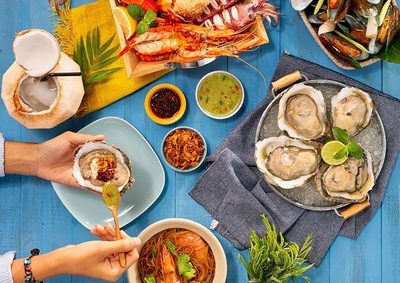
Kampot pepper is indeed prized by chefs worldwide, and you can visit working plantations to see how it is grown and dried. Bokor Mountain, a 1,000-meter plateau, was a French hill station and later a Khmer Rouge stronghold; today it holds an eerie abandoned church and casino, waterfalls, and cool air. Kep's crab market, where fresh crabs are stir-fried with local pepper, is a highlight of any southern Cambodia trip.
Practical Tips for Cambodia
- Visa: most nationalities need a tourist visa, available on arrival or e-visa before travel.
- Best time: November to February, when the weather is cool and dry; the green season is lush but roads can be muddy.
- Money: US dollars are accepted everywhere, with Cambodian riel given as change.
- Dress: cover shoulders and knees at temples; be respectful at genocide memorial sites.
The Coast and the Cardamom Mountains
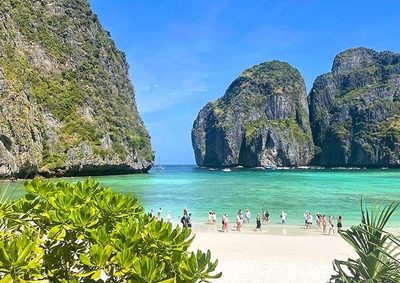
Beyond Kampot and Kep, Cambodia's southern coast remains refreshingly undeveloped. The islands off Sihanoukville, especially Koh Rong and Koh Rong Samloem, offer empty beaches and budget bungalows, though the larger Sihanoukville town itself is best passed through quickly. Further inland, the Cardamom Mountains are one of the largest remaining rainforests in Southeast Asia, home to wild elephants, sun bears, and gibbons. Community-based lodges such as Tatai and Chi Phat offer guided treks, wildlife night walks, and river kayaking that directly support local conservation.
This combination of temples, water, history, and rainforest is what makes Cambodia more than a one-day stop. Traveling thoughtfully, hiring local guides, and choosing community-run operators ensures your money supports the country's recovery. For a broader list of religious architecture across the region, our UNESCO World Heritage sites in Asia guide includes several Cambodian and neighboring treasures.
Practical Cambodia travel tips are simple but worth internalizing. Bargain gently at markets, but never haggle over a few cents with street vendors. Ask permission before photographing people, especially at temples and in villages. Carry small US dollar bills, as riel notes are rarely seen outside rural areas. And build in rest: the heat and the emotional weight of the genocide museums can be exhausting, so a slow river-side evening in Kampot or a beach day on Kep's crab coast is not a luxury but a necessity. Most importantly, take time to talk to Cambodian people; their warmth, humor, and resilience are as much a reason to visit as the temples themselves. Learn a few words of Khmer such as chum reap suor (hello) and orkun (thank you), and you will be rewarded with smiles that turn a good trip into a memorable one.
Frequently Asked Questions
How many days do I need for Cambodia?
One week is the minimum: three days for Angkor and the floating villages, two for Phnom Penh, and two for Kampot and Kep. Add a day for the coast at Sihanoukville or the quieter islands of Koh Rong if you want beach time.
Is Cambodia safe for travelers?
Cambodia is generally safe for visitors, with a reputation for exceptional hospitality. Standard precautions against bag-snatching in Phnom Penh apply; landmines are not an issue in tourist areas, but never walk off marked paths in remote zones.
Do I need a guide for Angkor Wat?
A licensed guide is strongly recommended. The bas-reliefs and temple histories are dense, and a good guide turns a confusing day of ruins into a coherent story of the Khmer Empire.
Is Cambodia expensive?
No, it is one of the cheapest countries in Southeast Asia for travelers. Street meals cost a few dollars, budget guesthouses start under ten dollars, and even luxury experiences are modestly priced compared with the region. For a budget comparison, see our guide to the cheapest countries to visit in Asia.
Want to see Cambodia beyond the postcard temples? Our Cambodia tours combine Angkor with Phnom Penh, the floating villages, and the southern coast. Tell us your dates and we will craft a route that balances the famous with the unexpected.