Asia is home to some of humanity's greatest architectural and natural achievements. These 16 UNESCO World Heritage sites represent the very best — the ones that will leave you speechless, the ones worth crossing oceans for.
What Makes a UNESCO Site Worth the Trip?
UNESCO World Heritage status is awarded to places of "outstanding universal value" — but not every site delivers on that promise. We selected these 16 for a combination of visual drama, cultural depth, and practical accessibility. They span 11 countries, range from 9th-century temples to living colonial cities, and include both cultural and natural listings. Each entry below includes the year of inscription, what you will see, and how long to budget.
Ancient Cities & Temples
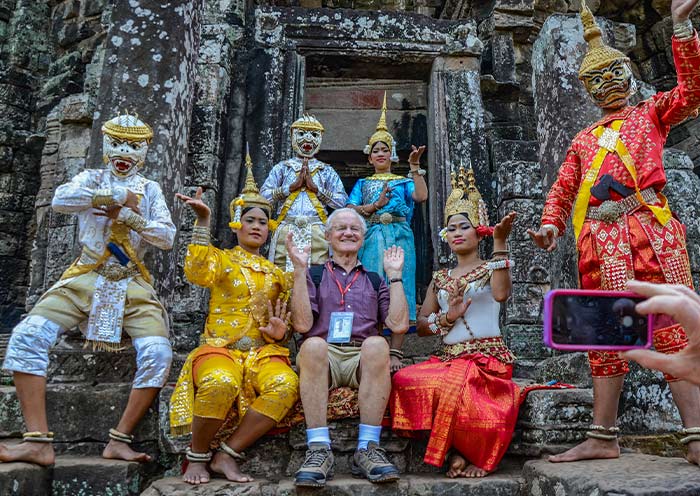
Angkor Wat (Cambodia, 1992): The world's largest religious monument. Sunrise over the lotus-shaped towers is a life-list experience. Budget 3 days to properly explore the 400km² complex. The 7-day pass costs roughly $62 and lets you escape to lesser-visited temples like Beng Mealea and Koh Ker. Taj Mahal (India, 1983): Shah Jahan's marble love poem is even more breathtaking in person. Arrive at sunrise for the fewest crowds and most magical light. The entry ticket includes a 3-hour visit slot at peak times. Borobudur (Indonesia, 1991): The largest Buddhist temple on Earth — 504 Buddha statues wrapped around nine stacked platforms. The sunrise view with volcanoes on the horizon is unforgettable. Bagan (Myanmar, 2019): Over 2,000 Buddhist temples spread across a 104km² plain. Rent an e-bike at dawn and watch hot-air balloons drift over the spires.
Imperial & Royal
Forbidden City (China, 1987): 980 buildings across 180 acres — the world's largest palace complex. Book online 7 days ahead. Allow a full half-day; the adjacent Temple of Heaven and Jingshan Park round out the imperial Beijing experience. Gyeongbokgung (South Korea, 1997 as part of the Five Grand Palaces): Seoul's grandest palace with the iconic Royal Guard Changing Ceremony at 10 AM and 2 PM. Rent a hanbok for free entry. Luang Prabang (Laos, 1995): An entire town designated as UNESCO — 33 temples, French colonial architecture, and morning alms ceremonies. Wake at 5:30 AM to watch saffron-robed monks collect sticky rice. Historic Center of Macau (2005): A 22-site trail blending Portuguese and Chinese architecture, from the Ruins of St. Paul's to A-Ma Temple.
Natural Wonders
Halong Bay (Vietnam, 1994): 1,600 limestone islands rising from emerald waters. An overnight cruise is essential — daytime junk trips miss the magical dawn mist on the karsts. Jiuzhaigou (China, 1992): Turquoise lakes terraced down a forested valley. Closed winter months, book spring or autumn. Five-color pools and multi-tier waterfalls make this China's most photographed natural park. Komodo National Park (Indonesia, 1991): Dragons, pink beaches, and world-class diving. See our Best Islands guide for Komodo details. Sagarmatha National Park (Nepal, 1979): Home to Everest, Lhotse, and Cho Oyu — and the Sherpa culture that has lived in its valleys for centuries. You don't need to summit Everest to visit; the 10-day trek to Everest Base Camp is the classic introduction. Huangshan (Yellow Mountain, China, 1990): Granite peaks piercing a sea of clouds — the mountain that inspired Chinese landscape painting for 1,000 years. Stay on the mountain overnight to catch the sunrise above the cloud inversion. Kaziranga National Park (India, 1985): Home to two-thirds of the world's one-horned rhinoceros — jeep safaris in Assam are the best wildlife encounters in South Asia.
Cultural Landscapes & Living Heritage
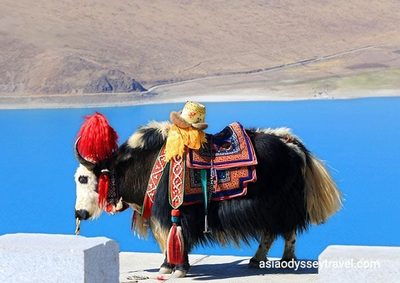
Rice Terraces of Philippine Cordilleras (1995): 2,000-year-old terraces carved into the mountains by Ifugao tribes. The Banaue and Batad amphitheaters are best visited March-April (green) or July (harvest gold). Historic Sanctuary of Oaxaca and Monte Alban (Mexico is not Asia) — instead, visit Kihei and the Maldives' coral atolls (UNESCO biosphere) for marine heritage. Lhasa and the Potala Palace (Tibet, 1994): The 13-story winter palace of the Dalai Lama sits at 3,700m. Book Tibet permits in advance; see our Tibet permits guide.
Lesser-Known UNESCO Gems Worth the Detour
Beyond the headline sites, Asia's second-tier UNESCO entries often deliver the most intimate experiences. My Son Sanctuary (Vietnam, 1999): Cham-era Hindu temples overgrown by jungle, 40km from Hoi An — far quieter than Angkor. Prambanan (Indonesia, 1991): Java's 9th-century Hindu temple complex, a 1-hour drive from Yogyakarta, at its most dramatic at sunset. Chittorgarh Hill Fort (India, 2013): The largest of Rajasthan's six hill forts, with 13km of walls and virtually no crowds compared to Jaipur. Myanmar's Bagan (2019) and Mrauk U: Mrauk U, the former Rakhine Kingdom capital, is a smaller, wilder rival to Bagan — reachable by a 2-hour flight plus boat from Sittwe. Grey and green terraces of Yuanyang (China, 2013): 2500-year-old Hani rice terraces flooded with reflected water each January-March, a 6-hour drive south of Kunming.
For more, explore our Top 20 Places to Visit in Asia and the complete Travel Guide.
UNESCO Site Planning Cheat Sheet
| Site | Country | Days Needed | Best Season |
|---|---|---|---|
| Angkor Wat | Cambodia | 3 | Nov-Feb |
| Taj Mahal | India | 1 (plus Agra Fort) | Oct-Mar |
| Borobudur | Indonesia | 1-2 | May-Sep (dry) |
| Forbidden City | China | 1 | Apr-Oct |
| Halong Bay | Vietnam | 2 (overnight cruise) | Mar-Oct |
| Jiuzhaigou | China | 2 | Sep-Nov (autumn) |
| Luang Prabang | Laos | 2-3 | Nov-Mar |
| Komodo NP | Indonesia | 2-3 | Apr-Oct |
Frequently Asked Questions
How many UNESCO sites are there in Asia?
As of 2025, Asia-Pacific hosts over 300 UNESCO World Heritage sites across cultural, natural, and mixed categories. China alone has 59, followed by Japan (26), India (42), and Korea (16). This list focuses on the 16 that deliver the highest wow-factor per travel mile.
Can I combine multiple UNESCO sites in one trip?
Yes. Classic combinations include: Beijing (Forbidden City, Great Wall, Summer Palace) in 5 days; Siem Reap (Angkor) plus Phnom Penh in 6 days; Bali (Borobudur, Prambanan) in 4 days; and Kathmandu Valley's seven UNESCO monument zones in 3 days.
Are UNESCO sites crowded?
The top 10 by visitor volume (Forbidden City, Taj Mahal, Angkor Wat) see 5-10 million visitors annually. Arrive at opening time, visit on weekdays, and book skip-the-line tickets online. Lesser-visited sites like Bagan, Luang Prabang, and Komodo remain relatively uncrowded.
Do I need a guide at UNESCO sites?
For temples and imperial palaces, a guided tour adds 50% to the experience by decoding symbolism and history. For natural sites, your own pace and a good app guide usually suffice. We offer expert-led tours at Cambodia, India, and China, with local historians and archaeologists leading small groups.
Ticket Booking & Crowd Strategy
Asia's top UNESCO sites now require advance online booking, especially for foreigners. Forbidden City tickets release 7 days ahead and sell out by mid-morning; book at midnight Beijing time. Taj Mahal has timed entry slots — the 6 AM slot is coolest and least crowded. Angkor Wat multi-day passes are issued with a photo and can be used across the entire park. Borobudur sunrise tickets are limited to a small number per day — book 2+ weeks ahead. In peak season (October-November and March-April), plan to arrive at opening time (usually 7:30-8 AM) for the best light and fewest crowds.
Ready to walk through humanity's greatest treasures? Contact us to design a UNESCO-focused Asia itinerary — we have been running expert-led heritage tours since 2010.