Forget architecture — Asia's true masterpieces were carved by wind, water, and tectonic forces over millions of years. These 21 natural places represent the continent at its most jaw-dropping.
How We Selected These 21 Natural Wonders
Asia spans every biome on Earth — coral atolls, tropical rainforest, ice-covered peaks, red-rock canyons, and inland seas. We selected these 21 places for visual impact, accessibility, and uniqueness. Each entry below includes what makes it special, how to get there, and the best season to visit. Whether you are a hardcore trekker or a scenic-drive traveler, there is something on this list for you.
Landscapes That Rewrite Geology
Zhangjiajie (China): 3,000 quartz-sandstone pillars wrapped in mist — the inspiration for Avatar's Hallelujah Mountains. Walk the glass bridge if you dare. The park is 4 hours by high-speed train from Changsha. Halong Bay (Vietnam): 1,600 limestone karsts rising from emerald water. Charyn Canyon (Kazakhstan): Central Asia's Grand Canyon — 154km of red rock walls, just 3 hours from Almaty. Visiting here plus Central Asia tours creates the ultimate Silk Road adventure. Wulingyuan and the Tianmen Mountain glass walkway: Combine with Zhangjiajie for a 3-day nature fix.
Water in Every Shade of Blue
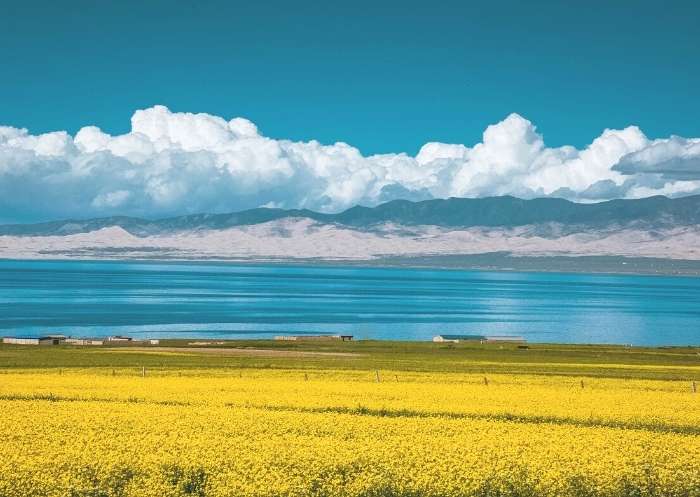
Jiuzhaigou (China): Five-color pools, multi-tier waterfalls, and crystal lakes so clear you can see fallen trees 20 meters below. Best in October for autumn colors. Coron Lakes (Philippines): Kayangan Lake's visibility exceeds 20 meters. The Twin Lagoon is accessible only through a limestone arch at low tide. See our Best Beaches guide for more Philippine gems. Qinghai Lake (China): China's largest inland lake — 4,500km² of sapphire water ringed by rapeseed flower fields in July. Dead Sea shore (Jordan is not Asia) — instead, the Issyk-Kul Lake (Kyrgyzstan) is the world's second-largest alpine lake, never freezing even at 1,600m.
Mountain Majesty
Mount Fuji (Japan): Japan's sacred peak is visible from Tokyo on clear days. The classic view from Lake Kawaguchi with cherry blossoms is pure magic. Check our Cherry Blossom guide for timing. Everest (Tibet/Nepal): You don't have to climb it — the view from Rongbuk Monastery (Tibet side, 5,200m) or a scenic flight from Kathmandu puts the world's highest peak in perspective. Annapurna and the Kali Gandaki Gorge (Nepal): The world's deepest gorge, with 8,000m peaks on either side. Mount Kinabalu (Malaysia, Borneo): 4,095m of ancient jungle and granite — a 2-day summit climb that does not require technical mountaineering.
Islands & Reefs
Komodo (Indonesia): Pink Beach and world-class diving at one of Earth's most unique ecosystems. Palawan (Philippines): Underground rivers, hidden lagoons, and limestone islands. Read the Islands guide for itineraries. Raja Ampat (West Papua): The epicenter of marine biodiversity — 75% of Earth's coral species. Togean Islands (Sulawesi): Remote atoll with sea-grass bays and untouched reefs.
Deserts, Gorges & Forests
Gobi Desert (Mongolia/China): Singing sand dunes (Khongoryn Els), wild Bactrian camels, and dinosaur-flaming red cliffs at Bayanzag. Guilin and Yangshuo (China): Li River karst peaks reflected in still water — the most photographed landscape in China. Read our Guilin guide for the full cruise route. Borneo rainforest (Malaysia): 130-million-year-old jungle, orangutans in Sepilok, and the Kinabatangan River's proboscis monkeys. Sapa Terraces (Vietnam): Waning-rice stepped hills of the Hmong and Dao minorities — best in September (green) or October (golden). Fairy Meadows and Nanga Parbat (Pakistan): A 3,500m meadow beneath the 8,126m "Killer Mountain" — the most dramatic mountain viewpoint in the Himalaya. Kawachi Fuji Gardens (Japan, Fukuoka): Two 100-meter wisteria tunnels in mid-April to mid-May — Japan's most photogenic spring spot after cherry blossoms. Tegalalang Rice Terraces (Bali): The iconic stepped green valleys 45 minutes north of Ubud — best at sunrise before the tour buses arrive.
Seasonal Nature Travel Tips
Asia's nature changes dramatically through the year, and timing can make or break a trip. Spring (March-May): Cherry blossoms in Japan, rapeseed fields at Qinghai Lake starting in July, rhododendron blooms in the Himalaya in April. Summer (June-August): The monsoon turns green in Sri Lanka, Nepal, and northern India — waterfalls are at their fullest, but trails can wash out. Mountain destinations (Zhangjiajie, Jiuzhaigou, the Japanese Alps) offer cool escapes from the plains. Autumn (September-November): The best all-around window — clear Himalayan views, autumn colors in Jiuzhaigou and Japan, dry weather across Southeast Asia. Winter (December-February): Beach season in Thailand and Vietnam, snow in Hokkaido and Harbin, and the clearest skies over Mount Fuji.
Packing for nature travel means layers (mornings and evenings are cold even in tropical mountains), a good rain jacket, sturdy shoes for uneven trails, and a reusable water bottle. Altitude is the most underestimated risk — any destination above 2,500m (Rongbuk, Everest Base Camp, Song-Kul) needs acclimatization days. See our altitude guide for how to prepare.
Nature at a Glance
| Place | Country | Type | Best Months |
|---|---|---|---|
| Zhangjiajie | China | Sandstone pillars | Apr-May, Sep-Nov |
| Halong Bay | Vietnam | Limestone karsts | Mar-Oct |
| Jiuzhaigou | China | Alpine lakes | Sep-Oct |
| Mount Fuji | Japan | Volcano | Nov-Feb (clear) |
| Charyn Canyon | Kazakhstan | Red canyon | May-Sep |
| Kinabalu | Malaysia | Granite peak | Mar-Apr, Sep-Oct |
| Raja Ampat | Indonesia | Coral reef | Oct-Apr |
| Gobi Desert | Mongolia | Sand dunes | Jun-Sep |
For more inspiration: Top 20 Places in Asia · UNESCO Heritage Guide · Complete Travel Guide.
Frequently Asked Questions
What is the most beautiful natural place in Asia?
It depends on what you love: for dramatic geology, Zhangjiajie; for water color, Jiuzhaigou; for scale, the Himalaya around Everest; for underwater life, Raja Ampat. Most travelers are most surprised by Zhangjiajie, which looks digitally generated in person.
Can I visit these places without hiking?
Most natural wonders are accessible by scenic drives, cable cars, and short walks. Zhangjiajie has elevators and buses; Halong Bay is seen from a boat; Jiuzhaigou has park buses. Only Everest Base Camp, Kinabalu, and the Annapurna region require real trekking.
When is the best overall month for Asian nature travel?
October is the sweet spot across much of Asia — monsoons have cleared, autumn colors are starting, and the Himalayan viewpoints are at their clearest. Avoid July-August (monsoon in South and Southeast Asia) and January-February (cold in the north). Late September and early November are close seconds.
Are these natural parks crowded?
Chinese national parks on weekends and holidays are extremely busy. Visit on weekdays and book tickets online in advance. Parks in Nepal, Philippines, and Central Asia see a fraction of the Chinese domestic volume. October and November offer the clearest skies and lowest monsoon risk across most of the continent.
Responsible Nature Travel
Asia's natural wonders are under growing pressure from visitors. A few principles will help you travel lightly: stay on marked trails — off-trail walking erodes fragile alpine and jungle soils; take only photographs, even seemingly harmless shells and stones are part of the ecosystem; use designated viewing platforms at wildlife sites (getting too close to habituates animals to humans and changes their behavior); and choose certified operators for dolphin, whale, and orangutan encounters — unregulated tours harass animals. National park entry fees in Asia are remarkably low (typically $10-30 per day), so paying them is one of the best direct contributions you can make to conservation.
Ready to stand at the edge of Asia's greatest landscapes? Explore Nepal trekking, China nature tours, or ask us to design a custom nature-focused Asia route.