How to Choose the Right Season for China
China spans 9.6 million square kilometers across five climate zones — there's always somewhere at its best. The secret is matching your destination to the right season. Here's your complete seasonal guide to China in 2026, covering weather, festivals, crowds, and the best destinations for each period. Below, each season gets its own section, then a month-by-month table, a festival calendar, and a crowd-avoidance strategy. Whether you chase Harbin's ice, Tibet's festivals, or Hainan's winter beaches, matching the region to the season is the single biggest lever on your enjoyment.
Spring (March–May): Blossoms & Mild Weather — The Best Overall Season
Spring is arguably China's finest travel window. Temperatures are comfortable (15-25°C across most cities), flowers bloom everywhere, and crowds haven't yet peaked. Beijing: Cherry blossoms in Yuyuantan Park (late March) and magnolias at the Summer Palace. Guilin & Yangshuo: The Li River at its most beautiful — misty karst peaks, green rice paddies, and comfortable hiking weather. Zhangjiajie: Avatar peaks wrapped in spring mist — the most photogenic season. Avoid: Labor Day Golden Week (May 1-5) — massive domestic crowds everywhere. Browse China spring tours →
Summer (June–August): Mountains, Grasslands & Festivals
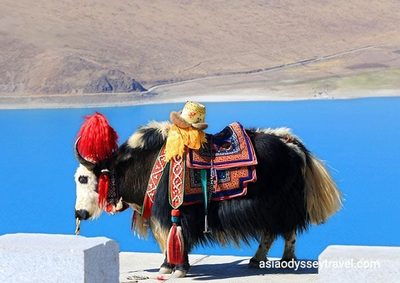
Summer brings heat (Beijing/Xian can hit 35°C+), but it's the best season for China's highlands and festivals. Tibet: Perfect weather at 3,650m+ — warm days, cool nights, and clear mountain views. The Shoton Festival in August is spectacular. Inner Mongolia: Green grasslands under endless blue skies — the Naadam Festival (July) features wrestling, horse racing, and archery. Yunnan: Kunming (the "Spring City") stays pleasant year-round. Dali and Lijiang are comfortably warm at 2,000m+. Zhangjiajie: The glass bridge and Bai Long Elevator are open, but expect thunderstorms. For summer escapes, check our National Parks guide.
Autumn (September–November): Golden Light & Perfect Temperatures
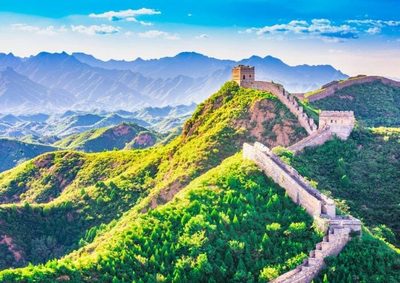
For many travelers, autumn rivals spring as China's best season. The light is golden, the skies are clear, and the summer crowds have gone home. Beijing: October is perfect — blue skies, crisp air, and the Great Wall framed by autumn foliage. Jiuzhaigou: October transforms the valley into a kaleidoscope of red, orange, and gold — the most beautiful month of the year. Silk Road: September-October is ideal for Dunhuang, Zhangye, and Xinjiang — comfortable desert temperatures and harvest-season grapes. Avoid: National Day Golden Week (October 1-7) — the busiest travel week in China.
Winter (December–February): Snow, Ice & Budget Prices
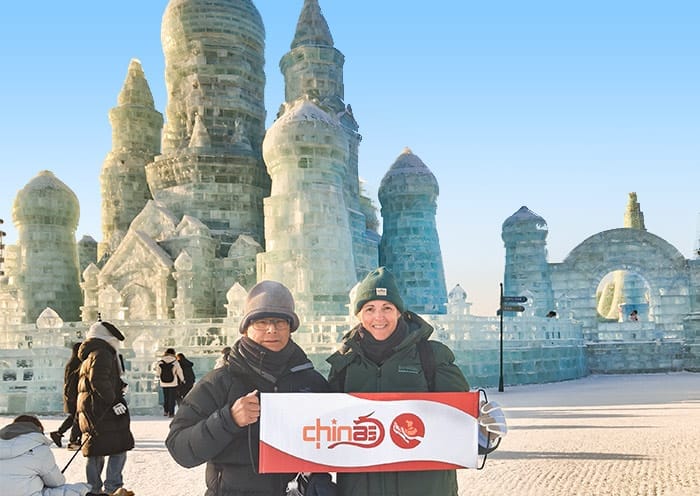
Winter is China's best-kept travel secret — lowest prices, fewest tourists, and unique experiences you can't get any other time. Harbin Ice & Snow Festival: The world's largest ice sculpture festival (January-February) — entire buildings carved from frozen Songhua River blocks, illuminated at night. Hainan Island: China's "Hawaii" — Sanya stays 20-25°C all winter. Perfect tropical escape with visa-free access for 59 nationalities. Beijing: The Forbidden City dusted in snow is pure magic, and hotel prices drop 40-60%. The Great Wall: Fewer tourists, dramatic snow-covered views, and the Mutianyu toboggan run becomes a winter thrill ride. See Harbin winter tours → and our Travel Guide for monthly weather.
Month-by-Month Quick Reference
| Month | Weather Highlight | Best Destinations | Crowd Level |
|---|---|---|---|
| Jan-Feb | Cold north, mild south | Harbin ice festival, Hainan, snow-dusted Beijing | Low (except CNY) |
| Mar | Rapidly warming | Yunnan, Shanghai, east coast | Low |
| Apr-May | Blossoms, 15-25°C | Beijing, Guilin, Zhangjiajie | Medium, peaks May 1-5 |
| Jun-Aug | Hot east, cool highlands | Tibet, Inner Mongolia, Yunnan, Qinghai | High (school holidays) |
| Sep-Oct | Golden light, clear skies | Beijing, Jiuzhaigou, Silk Road | Peak Oct 1-7 |
| Nov-Dec | Crisp, quiet, cheap | Beijing, Shanghai, Hainan | Low |
Festivals That Define the Season
Chinese New Year (January or February, lunar date): The world's largest annual human migration. Best experienced in rural Guangdong or with a local family, though most small businesses close for a week. Shoton Festival (Tibet, August): Giant thangka unfurling at Drepung Monastery and opera in Lhasa. Naadam (Inner Mongolia, July): Wrestling, horse racing, and archery on the grasslands. Mid-Autumn Festival (September or October): Moon-gazing and mooncakes; parks fill with families at dusk. For dates across the wider region, see our Asian festivals by month guide.
Crowd-Avoidance Strategy
China's two golden weeks — May 1-5 and October 1-7 — move hundreds of millions of domestic travelers each. Train tickets sell out two weeks ahead and popular sights become impassable. If your trip must fall in these windows, choose Tibet, Xinjiang, or western Yunnan, where domestic crowds thin out. Otherwise, shift your dates by a week: the shoulder weeks on either side are nearly empty and hotel prices drop 20-30%. Budget flights between major hubs (Beijing, Shanghai, Chengdu, Guangzhou) are cheap and frequent when booked 2-4 weeks ahead, and can save a whole transit day versus high-speed rail.
What to Pack, Season by Season
| Season | Layer Strategy | Key Extras |
|---|---|---|
| Spring (Mar-May) | Light jacket + layers | Umbrella, comfortable walking shoes |
| Summer (Jun-Aug) | Breathable clothing | Sun protection, rain jacket, altitude layers for Tibet |
| Autumn (Sep-Nov) | Sweater + light coat | Scarf, camera for golden light |
| Winter (Dec-Feb) | Heavy down jacket (north) | Layers, warm boots, sun block for Harbin ice |
Interior heating in northern Chinese hotels and trains is strong in winter, so thin layers underneath the bulky coat travel best. In the humid south (Shanghai, Guilin, Guangzhou), winters feel colder than the thermometer suggests — pack thermals even on mild days. Altitude destinations like Tibet and Shangri-La are cool at night even in July, so always carry a fleece.
Chinese New Year: Plan Around It, Not Through It
Lunar New Year (late January to mid-February) is the one window most travelers should plan around. Hundreds of millions of Chinese travel home, trains sell out weeks ahead, family-run restaurants close for 7-10 days, and many small sights feel half-empty while shopping districts shut. If you travel during this period, head to resort areas and big-chain hotels, or embrace it: fireworks, temple fairs, and lion dances make it one of the most atmospheric weeks to be in the country.
Frequently Asked Questions
What is the best month to visit China overall?
Mid-April to mid-May, and again mid-September to mid-October, offer the best combination of weather and manageable crowds — provided you avoid the national holiday weeks.
Is winter a good time to visit China?
Surprisingly, yes. Hotel prices drop 40-60%, sights are nearly empty, and Harbin's ice festival and Hainan's warm beaches offer two completely different winter experiences.
Where is hot in China in December?
Sanya on Hainan Island stays around 20-25°C in December, with palm-fringed beaches and visa-free entry for many nationalities. Southern Yunnan (Xishuangbanna) is another warm option.
When should I avoid China?
Avoid the first weeks of May and October for comfort, and the hottest inland weeks of July-August in Beijing, Xi'an, and the Yangtze River basin unless you plan to head to the highlands instead.
What if I only have 10 days and want both cities and nature?
Pair the Beijing-Xi'an-Shanghai core with one nature stop: Guilin/Yangshuo after Shanghai (around 3 hours by high-speed rail), or Chengdu in the middle for pandas and hotpot. Skip Tibet and the far west on a first 10-day trip — long transit days will eat your schedule.
Not sure which season fits your dream route? Browse our seasonal China tours or ask us to recommend the perfect months for the destinations on your list.