The Golden Triangle is India's most popular tourist circuit for good reason — in just one week, you experience three radically different cities, two UNESCO World Heritage sites, and the full spectrum of India's colors, flavors, and history.
Stretching 1,000 kilometers in a rough triangle between Delhi (the capital), Agra (the Taj Mahal), and Jaipur (the pink capital of Rajasthan), this circuit is the standard first-timer's India. It works because every leg is short (4-6 hours by road or train), every city is walkable in its old quarter, and the contrast between Mughal Delhi, riverfront Agra, and desert Jaipur keeps the week from ever feeling repetitive. Pair it with our Kerala & South India guide for a two-week contrast, or browse all India tours.
Days 1-2: Delhi
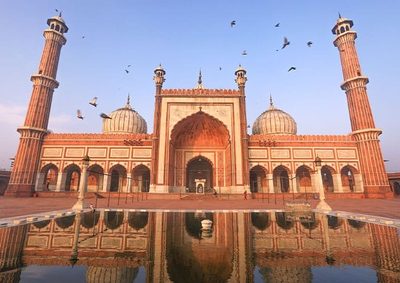
Old Delhi hits you like a sensory tidal wave — cycle rickshaws weaving through Chandni Chowk, the smell of paratha being fried, the call to prayer echoing from Jama Masjid. Contrast with New Delhi's wide boulevards, India Gate, and Humayun's Tomb (the architectural precursor to the Taj Mahal). Eat butter chicken at Moti Mahal and street chaat in Chandni Chowk.
Start day 1 in Old Delhi: a rickshaw ride through Chandni Chowk (Moonlight Square, founded in 1650 by Shah Jahan's daughter), a visit to the 17th-century Jama Masjid (India's largest mosque, capacity 25,000), and the spice market at Khari Baoli. Day 2 shifts to New Delhi: Humayun's Tomb (the 1570 sandstone mausoleum that directly inspired the Taj Mahal), the Qutb Minar (73-meter tower, UNESCO since 1993), India Gate (the 42-meter war memorial, especially moving at night), and a stroll through Lodhi Garden where Delhiites jog and picnic among 15th-century tombs. Eat at Karim's near Jama Masjid for nihari (slow-cooked beef stew) or Paranthe Wali Gali for stuffed flatbreads.
Days 3-4: Agra
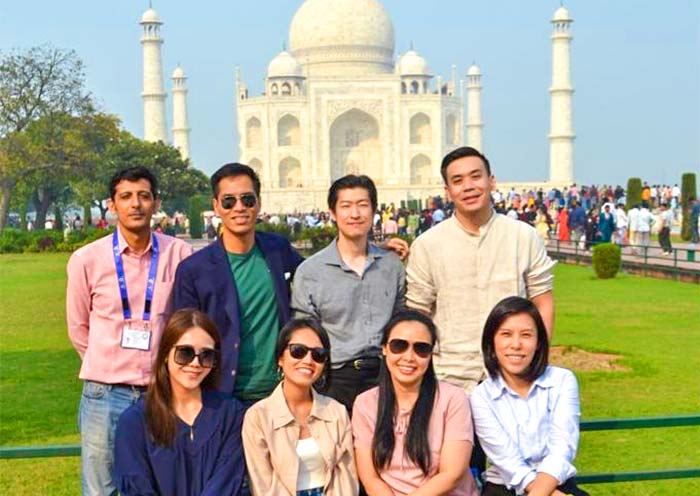
The Taj Mahal at sunrise is every bit as breathtaking as you imagine. Arrive at the East Gate by 6am to be among the first inside. After the Taj, explore Agra Fort (a red sandstone masterpiece) and the "Baby Taj" (Itimad-ud-Daulah's tomb). For sunset, cross the Yamuna River to Mehtab Bagh for the Taj's reflection across the water.
The Taj Mahal, built by Emperor Shah Jahan between 1632 and 1653 as a mausoleum for his wife Mumtaz Mahal, draws 7-8 million visitors a year. It is closed on Fridays for general visitors (open for mosque prayers). The best time to visit is the first hour after sunrise, when the white marble glows pink and crowds are still thin. Spend 2-3 hours: walk the charbagh garden, study the pietra dura inlay work (flowers crafted from jade, lapis, and carnelian), and look through the central arch for the famous optical illusion that makes the dome appear to shrink as you approach. Agra Fort, a 16th-century red sandstone palace, is where Shah Jahan spent his last eight years imprisoned, gazing at the Taj across the river. Itimad-ud-Daulah (the "Baby Taj"), a 17th-century tomb, is actually the first Mughal structure built entirely in white marble and is less crowded — many travelers prefer it to the main event. If you have an extra morning, drive 1 hour to Fatehpur Sikri, the abandoned 16th-century Mughal capital, a UNESCO ghost-city in red sandstone.
Days 5-7: Jaipur
The Pink City delivers Rajasthan in full color. The Hawa Mahal (Palace of Winds), Amber Fort (ride an elephant or jeep up), and City Palace are the headliners. But Jaipur's magic is in the details — rooftop chai at sunset, block-printed textiles in Johari Bazaar, and the best Rajasthani thali of your life at LMB.
Jaipur was painted terracotta pink in 1876 to welcome a visiting Prince of Wales, and the color has stuck. Amber Fort, 11 kilometers outside the city, is a Rajput palace on a hillside overlooking Maota Lake — ride the 4WD jeep up (elephant rides have been largely phased out for animal welfare). Inside, the Sheesh Mahal (Hall of Mirrors) is covered in tiny mirror mosaics that glow in candlelight. City Palace remains the residence of the Jaipur royal family and houses a museum with the world's largest silver vessels. Hawa Mahal, the 1799 five-story honeycomb facade of 953 windows, allowed royal women to watch street processions unseen. For a view of the whole pink city, climb the rooftop cafe at Naqqar Khana at sunset. Don't miss the Jantar Mantar, an 18th-century astronomical observatory with giant stone instruments that still work.
Getting Around the Triangle
| Route | Distance | By Car | By Train |
|---|---|---|---|
| Delhi → Agra | 230 km | 3.5-4 hours | Gatimaan Express 1h 40m |
| Agra → Jaipur | 240 km | 4-5 hours | 4-6 hours |
| Jaipur → Delhi | 280 km | 4.5-5 hours | 4.5-6 hours |
A private car with driver (roughly $50-70/day including fuel) is the most comfortable option for first-timers, especially if you add Fatehpur Sikri. The new Gatimaan Express between Delhi and Agra is the fastest train in India (160 km/h) and books out weeks ahead.
Practical Tips
- Best time: October–March (avoid April–June heat)
- Getting around: Private car with driver is the most comfortable option
- Health: Drink only bottled water, eat at busy places with high turnover
Add a few practical notes: dress modestly (covered shoulders and knees at temples and mosques), hire a licensed guide at the Taj and Amber Fort (the history brings the stones to life), and agree on rickshaw fares before getting in. Learn our Asia packing list before you go — light, breathable layers are essential. India e-Tourist visas are online for most nationalities, roughly $10-25 depending on your country and length of stay — see our visa planning guide for the broader process approach, and check the Indian e-visa site for current fees. For a monthly weather-by-country view, our best time to visit Asia month by month guide helps you pick dates.
Frequently Asked Questions
Is 7 days enough for the Golden Triangle?
Seven days covers Delhi, Agra, and Jaipur comfortably, though it is a paced trip with several half-day drives. Nine days adds Fatehpur Sikri and a half-day in Pushkar (the holy Brahma town) without rushing. If you want to add Varanasi or Kerala, plan 12-14 days total.
Is the Golden Triangle safe for first-time visitors?
Yes, with normal precautions. Use registered taxis or ride-hailing apps, keep valuables in a hotel safe, and avoid accepting "friendly" offers of free gems or tour guides. Solo female travelers should book reputable hotels and use app-based taxis after dark.
How much should I budget for 7 days?
Budget travelers can manage $50-70/day staying in guesthouses and eating street food. Comfort travelers should plan $120-200/day including 4-star hotels, private car with driver, and guided entry to major sites. Luxury (Taj hotels, Oberoi-level) runs $500+/day.
Can I extend the Golden Triangle south?
Absolutely. Fly Delhi to Kochi or Trivandrum in about 3 hours to add Kerala's backwaters, or fly to Goa for beaches. Our Kerala & South India guide walks through a 7-day extension.
The Golden Triangle is not India in miniature — it is India at its most spectacular, most immediate, and most welcoming. Tell us your travel dates and we will build a private Golden Triangle itinerary timed for sunrise at the Taj and sunset over the Amber Fort — or browse our ready-made India departures.