Bangkok is a city that grabs you by the senses — the scent of jasmine and chili, the glint of golden temples, the hum of tuk-tuks and longtail boats. It's chaotic, beautiful, and completely addictive. Here's how to do it right.
Thailand's capital is home to more than 10 million people and blends gilded wats, glittering shopping malls, street food stalls, and riverside life along the Chao Phraya. First-timers often find it overwhelming; the trick is to cluster sights by neighborhood, use the BTS Skytrain and MRT to avoid traffic, and reserve at least one evening for a rooftop bar. If you want to pair the city with the beach after, our island roundup continues the story. Start with a couple of slow days in Bangkok itself.
The Grand Palace & Wat Pho
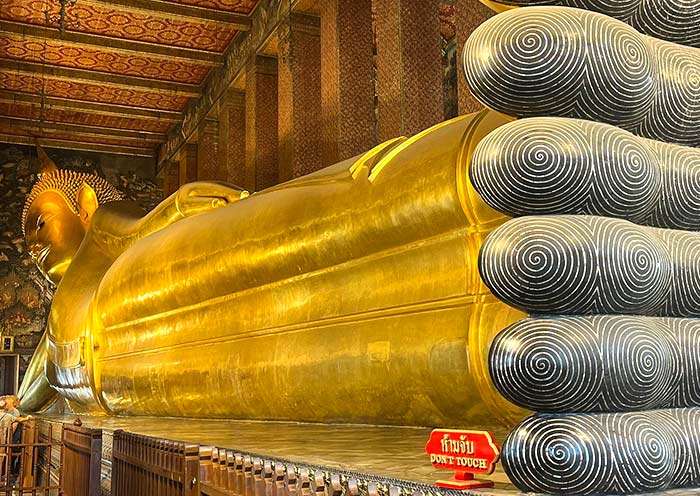
Start early — the Grand Palace opens at 8:30am and the crowds are thinner before 10am. The Emerald Buddha and the gilded chedis are breathtaking. Walk 10 minutes south to Wat Pho to see the 46-meter reclining Buddha and get a traditional Thai massage at the temple's massage school (the real deal, at a fraction of spa prices).
Dress code is strict: shoulders and knees covered for both men and women, and no flip-flops for the palace entrance. Bring a sarong or buy one at the gate. Allow two to three hours at the Grand Palace complex, another hour at Wat Pho, and then an hour for the massage school. The palace is in the old Rattanakosin district, a short taxi or river-boat ride from the main riverside hotels.
Wat Arun at Sunset
Cross the Chao Phraya River by ferry to Wat Arun (Temple of Dawn). Climb the central prang for panoramic river views, then grab a cold Chang beer at a riverside bar and watch the temple light up as the sun sets behind it.
Wat Arun's porcelain-encrusted spire rises 82 meters and is one of the most photographed landmarks in the city. Note that the steep stairways are closed in bad weather. For dinner, walk across to Thonburi side or take the ferry back to the riverside promenade, where cruise boats offer buffet dinners along the river.
Chinatown Food Trail
Yaowarat Road after dark is Bangkok's ultimate street food destination. Follow the crowds to the busiest stalls: roasted duck at Nai Mong Hoi Thod, crispy oyster omelet at Nai Mong Hoi Tod, and mango sticky rice everywhere. Grab a plastic stool on the sidewalk and eat like a local.
Bangkok's Chinatown is one of the oldest in the world, with a heritage tracing back to the 18th century. Beyond street stalls, duck into Talad Noi, a recently revitalized alley quarter of shophouses, street art, and specialty coffee. For more on Thai eating, our food-focused Thailand tours are built around dishes rather than landmarks.
Floating Markets
Skip the tourist-packed Damnoen Saduak. Instead, visit Khlong Lat Mayom — a more authentic floating market 30 minutes from central Bangkok, where locals actually shop for groceries. Take a longtail boat through the canals and eat grilled river prawns on a wooden dock.
Floating markets run mainly on weekends, so plan accordingly. Amphawa, a little further out, offers evening firefly cruises after the market closes, a lovely half-day trip from the city.
Rooftop Bars and Nightlife
Bangkok's skyline is best enjoyed from above. Classic choices include the Lebuar Sky Bar (made famous by The Hangover Part II), the Mahanakhon SkyWalk on the city's tallest building, and smaller design-led bars such as J. Boroski and Tichuca Rooftop Bar. Most require smart-casual dress and reserve a table at sunset. For a cheaper evening, head to a craft beer bar in Ari or a live-music venue on RCA.
A Suggested 3-Day Shape
Day one covers the old city: Grand Palace and Wat Pho in the morning, Wat Arun at sunset, and Chinatown for dinner. Day two is for markets and food: a floating market half-day, the Tha Tian pier area for amulet shopping and Thai desserts, and a rooftop bar in the evening. Day three is flexible: choose between the National Museum and Jim Thompson House in the morning, a shopping afternoon in Siam or Chatuchak, and a riverside dinner cruise. Leave at least one evening unplanned, because Bangkok's best discoveries are often the unplanned ones: a street jazz band, a late-night noodle shop, or a small temple you stumble on after rain. Whatever your schedule, pace yourself; the heat and the sensory overload are real, and a siesta in an air-conditioned cafe between 1 and 4 pm will make the evening far more enjoyable.
Practical Tips for First-Timers
- Use the BTS and MRT: they skip the traffic and are cheap; download the Rabbit card or use contactless payments.
- River boats: the Chao Phraya Express Boat is the scenic, traffic-free way to reach the old city.
- Tuk-tuks: agree a price before you ride; metered taxis are nearly always cheaper.
- Best time to visit: November to February is cool and dry; March to May is very hot; the green season is greenest and cheapest.
Museums, Parks, and Shopping Beyond the Temples
Bangkok has far more than wats and street food. The National Museum near the Grand Palace gives an excellent overview of Thai art history, while Jim Thompson House, the restored teakwood home of the American who revived Thai silk, is a quiet oasis in the city center. For green space, rent a boat on Lumpini Park at sunset or watch the huge monitor lizards that patrol its lawns. Shopping ranges from the air-conditioned mega-malls of Siam (Siam Paragon, Iconsiam) to the weekend chaos of Chatuchak Market, where more than 15,000 stalls sell everything from antiques to street food.
If you have children, Sea Life Bangkok Ocean World and the rooftop Siam Amazing Park are reliable rain-weather options, while couples often pair a temple morning with a Thai spa afternoon. For dinner, the city's restaurant scene now ranks among the best in Asia, with several Michelin-starred options alongside the unassuming street stalls that inspired them. If you are building a longer Thailand route, our guide to choosing a Thai island pairs naturally with a few days in the capital.
Frequently Asked Questions
How many days do I need in Bangkok?
Three days is a comfortable first visit: one day for temples and the old city, one for markets and food, one for museums, shopping, and a rooftop evening. Add a day if you plan a floating-market trip.
Is Bangkok safe for tourists?
Bangkok is generally very safe for visitors. Watch for scams (tuk-tuk drivers offering "special" tours, gem shops), keep valuables secure on the BTS, and use common sense after dark. Political protests can occur; avoid crowds and follow local news.
What should I wear to Bangkok's temples?
Cover shoulders and knees, and avoid flip-flops at the Grand Palace. Light, breathable clothing works best in the heat; carry a shawl for entering temple interiors.
Can I use tap water in Bangkok?
No, drink bottled or filtered water. Most hotels provide free bottled water. For a wider view of the region, our guide to planning a trip to Asia covers visas, budgets, and pacing.
Ready to experience Bangkok's temples, markets, and skyline? Our Thailand tours pair the capital with beaches and northern hill country, and we tailor routes to your pace. Contact us to start planning your Bangkok-first adventure.