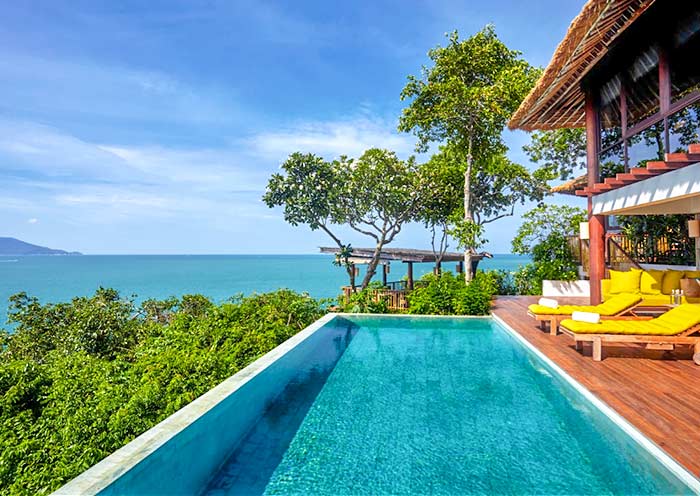
Thailand has over 1,400 islands. Choosing the right one can make or break your tropical holiday. Here's the honest breakdown — by vibe, budget, and what you actually want from your beach time.
Some islands are developed to within an inch of their lives, others are barely touched, and a few sit somewhere in between. The Andaman Sea side (Phuket, Krabi, Koh Lanta, Koh Lipe) and the Gulf of Thailand side (Koh Samui, Koh Phangan, Koh Tao) even have different weather seasons: when the Andaman is cloudy in the green season, the Gulf is often sunny. Matching the island to the month is half the battle. For more options across the region, see our roundup of the best islands in Asia.
Phuket: Something for Everyone
Thailand's largest and most developed island. Patong is the party hub — neon, nightlife, and crowds. But Phuket has quieter corners: Kata and Karon for family-friendly beaches, Rawai for a local vibe, and the northern beaches (Mai Khao, Nai Yang) for near-solitude. Best for: first-timers who want options, families, and anyone who wants luxury resorts. Skip if: you want off-the-beaten-path tranquility.
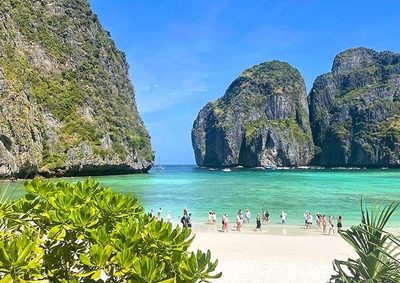
Phuket is also the easiest island to reach by air, with direct international flights, and it is the natural departure point for boat trips to the Phi Phi Islands and the Similan Islands snorkeling trips. Budget runs the full gamut from guesthouses to some of the most expensive resorts in Southeast Asia.
Koh Samui: Palm Trees & Wellness
Samui strikes a sweet spot — developed enough for comfort but still lush and relaxed. Chaweng and Lamai have the best beaches and nightlife. Bophut's Fisherman's Village is charming with boutique shops and Friday night markets. Samui is also Thailand's wellness capital — yoga retreats, detox programs, and world-class spas abound.
The surrounding Koh Phangan is famous for the Full Moon Party on Haad Rin beach, but away from the party strip it is mountainous, quiet, and dotted with yoga retreats. Tiny Koh Tao, reachable by ferry from both, is the dive capital of Thailand, where you can earn a PADI open-water certificate for a fraction of Western prices and swim with sea turtles year-round.
Krabi (Railay & Koh Lanta)
Railay's limestone cliffs rising from turquoise water create Thailand's most dramatic beach scenery — it's a rock climbing mecca. Koh Lanta, an hour away by boat, is the anti-Phuket: sleepy, low-rise, with long empty beaches and a significant Muslim community that gives it a distinct cultural flavor. Best for: couples and backpackers who want chill vibes.
Railay itself is reachable only by boat, which keeps it car-free and relaxed. Tonsai beach, a short walk over the headland, is the budget climbers' hangout. From Krabi you can also day-trip to the Phi Phi Islands, though most visitors prefer to stay on Lanta to avoid the crowds.
Koh Lipe: The Maldives of Thailand
Tiny, remote, and stunning — Koh Lipe in the far southern Andaman has powdery white sand and crystal-clear water that rivals the Maldives (at a tenth of the price). The island is walkable in 30 minutes. Best for: snorkeling fanatics and honeymooners. Skip if: you want nightlife beyond beach bars.
Koh Lipe sits near the Tarutao National Marine Park, and the surrounding reefs are some of the healthiest in Thailand. It is reachable by a combination of flight to Hat Yai and a speedboat, and it closes to mass tourism during the green season when the park shuts. Go between November and April.
Which Island Fits Your Style?
| Island | Vibe | Best for | Season |
|---|---|---|---|
| Phuket | Busy, developed | Families, first-timers | Nov-Apr |
| Koh Samui | Relaxed, wellness | Couples, retreats | Jan-Sep |
| Koh Phangan | Party and quiet | Backpackers, yogis | Jan-Sep |
| Koh Tao | Dive-focused | Snorkelers, divers | Jan-Sep |
| Krabi / Railay | Dramatic, active | Climbers, couples | Nov-Apr |
| Koh Lanta | Sleepy, local | Slow travelers | Nov-Apr |
| Koh Lipe | Remote, pristine | Honeymooners, divers | Nov-Apr |
Activities: Diving, Snorkeling, and Island-Hopping
Thai islands deliver world-class water activities. Koh Tao is the cheapest place on the planet to earn a diving certification, with calm bays teeming with reef fish, turtle grass, and occasional whale sharks. The Similan and Surin Islands, accessible as liveaboard trips from Phuket and Khao Lak, offer some of the clearest water and healthiest coral in Southeast Asia. Krabi and Railay are the regional centers for rock climbing, with routes ranging from beginner top-ropes to multi-pitch seaside classics. For non-climbers, longtail boats to Hong Island and Four-Island tours from Krabi or Lanta deliver lagoon swims and lunch on empty sandbars.
Couples should prioritize sunset boat cruises on the Andaman side, while families gravitate to the shallow, sheltered beaches of Phuket's Kata and Lanta's Klong Dao. Solo travelers and backpackers will find the easiest social scenes on Koh Phangan and Koh Tao. Whichever island you choose, book reef-safe sunscreen and avoid touching coral, as many of these ecosystems are still recovering from bleaching events.
Getting Between the Islands
Thai islands are connected by a combination of flights, ferries, and speedboats. Phuket, Samui, and to a lesser extent Krabi have airports with domestic connections to Bangkok. Between the Gulf islands (Samui, Phangan, Tao), large Seatran and Lomprayah ferries run several times a day, and the whole chain can be done as a multi-island trip. On the Andaman side, boats between Phuket, Phi Phi, Railay, and Lanta run in season, while Koh Lipe is reached by speedboat from Pak Bara pier. Book ferries in advance in peak season, as they sell out around Christmas and the Chinese New Year.
Budget-wise, a backpacker can live on as little as 30-50 dollars a day on the smaller islands, while mid-range resort comfort runs 80-150 dollars per person, and luxury beachfront villas climb well beyond that. Street food and local restaurants keep costs low even on the most expensive islands. If you want to compare costs across the region, our guide to the cheapest countries to visit in Asia puts Thai island prices in context.
Frequently Asked Questions
When is the best month to visit Thai islands?
It depends on the coast. The Andaman side (Phuket, Krabi, Lanta, Lipe) is best from November to April. The Gulf of Thailand side (Samui, Phangan, Tao) is driest from January to September, with Samui's wettest months around October to November.
Which Thai island is best for families?
Phuket and Koh Lanta are the top family picks: Phuket for its infrastructure and ease of travel, Lanta for its calm beaches and low-rise development. Samui is also family-friendly, with gentle shores and easy flights.
Which island is best for backpackers on a budget?
Koh Phangan and Koh Tao offer the best balance of low prices, great beaches, and social scenes. Railay and Tonsai are budget-friendly for climbers, while Koh Lanta suits travelers who want cheap guesthouses without the party.
Do I need to book island accommodation in advance?
In peak season (December to February, and around the Full Moon Party), yes, especially on small islands. In green season you can usually walk in and negotiate a better rate. For a wider beach comparison, our list of the most beautiful beaches in Asia may help.
Still unsure which island fits you? Our Thailand tours can pair city time in Bangkok with the islands that match your pace, budget, and idea of paradise. Tell us what you are looking for and we will map out the right coast for you.