The Silk Road wasn't a single road — it was a sprawling network of trade routes that connected China to the Mediterranean for over 1,500 years. Today, the Chinese section offers some of the country's most extraordinary travel experiences: ancient Buddhist caves, rainbow-colored mountains, bustling Central Asian bazaars, and desert oases frozen in time. Here are the 16 Silk Road attractions you absolutely cannot miss.
The Chinese Silk Road runs west from Xi'an across the Loess Plateau, through Gansu's Hexi Corridor, and into Xinjiang's deserts and oases before spilling into Central Asia. It is a route of dramatic climate and landscape shifts: you can eat fresh noodles in Lanzhou at breakfast and stand in a sand-dune desert near Dunhuang by sunset. Distances are long, but high-speed trains and domestic flights now make the corridor far easier than it was a decade ago.
1. Terracotta Warriors (Xi'an): Where the Silk Road Began
Xi'an (ancient Chang'an) was the eastern terminus of the Silk Road, and the Terracotta Warriors — 8,000 life-sized soldiers guarding Emperor Qin's tomb since 210 BCE — represent the power that launched a thousand caravans. Visit Pit 1 for the grand spectacle, Pit 2 for the command center, and the Bronze Chariot exhibition for exquisite craftsmanship. Explore Xian tours →
2. Mogao Caves (Dunhuang): 1,000 Years of Buddhist Art
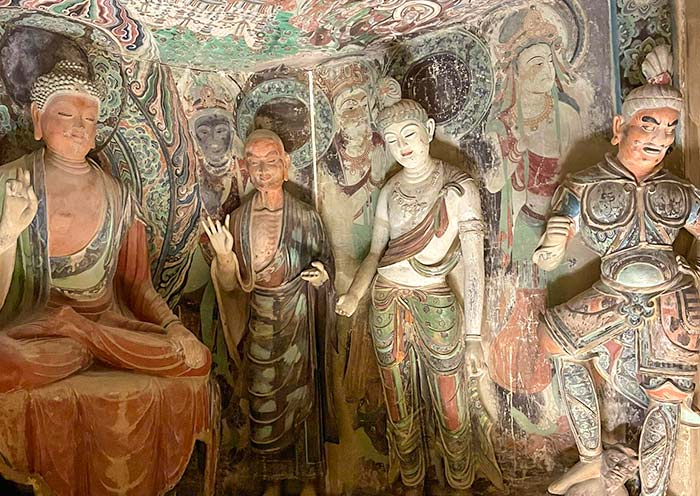
UNESCO-listed and breathtaking, the Mogao Caves contain 492 preserved grottoes with murals spanning 1,000 years of Buddhist art — 45,000 square meters of paintings and 2,000 painted sculptures. Cave 45 and Cave 158 (the Sleeping Buddha) are absolute must-sees. Visit with a guide — the history of each mural adds layers to your experience. Browse Gansu Silk Road tours →
3. Zhangye Danxia Rainbow Mountains: Nature's Palette
The Zhangye Danxia Landform looks photoshopped but is 100% real — 24 million years of mineral deposits created these surreal rainbow-striped peaks. Visit late afternoon when the low sun makes the colors pop most vividly. Boardwalks and viewing platforms make it accessible for all fitness levels. Pro tip: Entry after 4pm gives you golden hour light with smaller crowds.
4. Jiayuguan Fort: The Great Wall's Western End
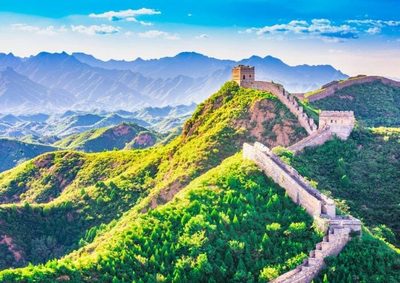
Where the Great Wall meets the Silk Road. Jiayuguan Pass — the "First and Greatest Pass Under Heaven" — marks the westernmost point of the Ming Dynasty Great Wall. The fort sits dramatically between snow-capped Qilian Mountains and the black Gobi Desert. Climb the tower at sunset for a view that hasn't changed in 600 years. See Silk Road tours →
5. Kashgar Sunday Bazaar: Central Asia's Greatest Market
For 2,000 years, merchants have gathered at Kashgar's Sunday Bazaar — today it's Central Asia's largest outdoor market. Donkeys, carpets, spices, and Uyghur bread (naan) create an atmosphere more Central Asian than Chinese. The adjacent Id Kah Mosque — China's largest — adds spiritual depth. Visit on Sunday morning for the full experience. Explore Xinjiang tours →
6. Turpan's Grape Valley & Jiaohe Ruins
Turpan is China's hottest city (summers hit 45°C+), but its oasis vitality has sustained Silk Road travelers for millennia. Jiaohe Ancient City — a 2,300-year-old city carved from raw earth — is one of the world's best-preserved earthen ruins. The Karez irrigation system (an engineering marvel rivaling the Great Wall) brings glacial meltwater to the desert, creating lush grape valleys.
7-16: Heavenly Lake, Kizil Caves, Qinghai Lake & More
Heavenly Lake (Tianshan): Alpine lake at 1,900m near Urumqi, with snow-capped peaks reflecting in turquoise water. Kizil Thousand Buddha Caves: Older than Mogao, with unique Central Asian-influenced murals near Kuqa. Qinghai Lake: China's largest lake, shimmering on the Tibetan Plateau — July brings seas of yellow rapeseed flowers. Labrang Monastery (Xiahe): Tibetan Buddhism's most important monastery outside Lhasa, with a 3km kora circuit. Singing Sand Dunes (Dunhuang): Ride a camel at sunset as the dunes literally sing in the wind. Sunday Bazaar (Hotan): More authentic and less touristy than Kashgar — silk, jade, and carpets.
Completing the sixteen are four more standout stops: Bezeklik Caves, near Turpan, where 77 grottoes hold murals painted by Tang-dynasty Buddhist monks; Yumenguan (Jade Gate Pass), the lonely Han-dynasty frontier gate west of Dunhuang that inspired the famous poem about parting beyond the Jade Gate; the Xinjiang Museum in Urumqi, home to the 3,800-year-old "Beauty of Loulan" mummy and extraordinary Silk Road artifacts; and Hami, a grape-growing oasis halfway between Dunhuang and Turpan, known for its sweet Hami melons and the restored Hami Palace of the Uyghur kings.
Getting Around China's Silk Road
The corridor is long: Xi'an to Kashgar is over 4,000 kilometers. High-speed trains now connect Xi'an to Lanzhou (around 3 hours) and Lanzhou to Zhangye, Jiayuguan, and Dunhuang in easy day legs. From Dunhuang or Turpan, domestic flights to Urumqi (around 2 hours) open up Xinjiang. Overland buses and chartered cars are popular between the Gansu oases, and self-drive in Xinjiang rewards comfortable drivers. Allow at least 10 days to cover the highlights without rushing; 14 days lets you add Xiahe's Labrang Monastery and Qinghai Lake. In Xinjiang, long-distance buses and shared taxis connect Kashgar, Hotan, and Aksu along the southern edge of the Taklamakan Desert; chartered car drivers are popular with foreign travelers and can be arranged through hotels. Download offline maps and carry your passport at all times — ID checks are frequent in Xinjiang.
Food and Historic Caravanserais Along the Route
The Silk Road's culinary legacy is as rich as its monuments. In Lanzhou, eat hand-pulled beef noodles (niuroumian) at a hole-in-the-wall; in Turpan, feast on seedless grapes and dried melon; in Kashgar, order baked lamb kebabs and Uyghur polo (a local plov) at the Grand Bazaar. The restored caravanserai stops along the route — once roadside inns for merchants and their camels — now serve as museums and tea houses where you can pause and imagine the camel trains arriving at dusk.
Best Time to Travel the Silk Road
The Gansu and Xinjiang sections are best in May-June and September-October, when daytime temperatures are pleasant and the desert heat has softened. July and August are busy and extremely hot in Turpan and the desert basins; winter (November-March) is cold, though Dunhuang and Jiayuguan are nearly crowd-free. Qinghai Lake and Xiahe are short-season destinations — visit them in July for rapeseed flowers.
Plan Your Silk Road Journey
The classic Silk Road route takes 8-14 days: Xi'an → Lanzhou → Zhangye → Jiayuguan → Dunhuang → Turpan → Urumqi → Kashgar. High-speed trains now connect Xi'an to Lanzhou (3h), making the eastern section easy. For detailed planning, see our Best Time to Visit Asia guide and the Travel Guide weather table. If you want to continue west beyond Kashgar into Uzbekistan, our Samarkand and Bukhara guide picks up where China ends.
Frequently Asked Questions
How many days do I need for China's Silk Road?
Ten days is the minimum to cover Xi'an, the Hexi Corridor, and Turpan without rushing. Fourteen days lets you add Kashgar and the Xinjiang Museum; three weeks allows a Qinghai and Gansu loop including Labrang Monastery.
Is the Silk Road in China safe for foreigners?
Yes. The Gansu and Xinjiang Silk Road routes are well-traveled and tourist infrastructure is mature. Expect occasional ID and bag checks in Xinjiang — carry your passport at all times.
When is the cheapest time to travel the Chinese Silk Road?
November through March offers the lowest hotel prices and quietest sites, though winter days are short and cold. May and October strike the best balance of weather and value.
Do I need a special permit for Xinjiang or the Silk Road?
Travelers to most Silk Road cities need no special permit beyond a valid Chinese visa. Some border areas near Pakistan, Tibet, and remote Xinjiang require permits; check with us or your guide before adding remote extensions.
Ready to ride the original road? Browse our China Silk Road tours, plan your overall trip in our step-by-step China planning guide, or contact us for a custom Xi'an-Dunhuang-Kashgar itinerary.