Why Travel Beyond Seoul?
South Korea punches far above its weight, and while Seoul is a dynamic megacity home to roughly 25 million people, the country's soul lies in its mountain temples, emerald tea terraces, and volcanic coastline. Seoul gets all the attention, but South Korea's real magic lies beyond the capital. Ancient Silla dynasty temples, emerald tea plantations, volcanic islands, and some of Asia's best food — here's your guide to the deeper Korea. Most first-timers spend their entire trip in Seoul and miss UNESCO-listed sites, world-class hiking, and the country's most celebrated regional dishes. This guide takes you to Gyeongju, Boseong, Jeju, and Jeonju, with practical tips on reaching each by KTX train, what to eat, and when to go for the best weather.
Gyeongju: Museum Without Walls
The capital of the 1,000-year Silla Kingdom, Gyeongju is packed with UNESCO sites. Tumuli Park holds massive royal burial mounds. Bulguksa Temple is a masterpiece of Buddhist architecture. The Seokguram Grotto houses a sublime stone Buddha gazing out to sea. Rent a bicycle to explore — the city is flat, compact, and bike-friendly. Gyeongju was the seat of the Silla dynasty for nearly a millennium (668–935 AD), and today the entire region is protected as a UNESCO historic area. Allow at least two full days: dawn at Donggung Palace and Wolji Pond, a visit to Bulguksa, and a sunrise hike toward the Seokguram Grotto. The KTX reaches Gyeongju from Seoul in about two and a half hours, and local buses connect the major sites. Don't leave without trying hwangnam bread, a sweet bean-pastry the city is famous for.
Boseong Green Tea Fields
Rolling hills blanketed in neat rows of tea bushes cascade down to the sea. Boseong produces 40% of Korea's green tea. Walk the terraced plantation paths, try green tea ice cream and green tea noodles at the cafe, and buy fresh leaves from the plantation shop. The morning light filtering through the mist over the fields is pure magic. Boseong lies in Jeollanam-do, reached by bus or by combining the KTX to Mokpo with a local connection; the Daehan Dawon plantation is the most photographed and best developed for visitors. Visit in May for the spring tea harvest, when the new leaves are brightest green, and combine your trip with nearby Suncheon, famous for its wetland bay and open drama film sets. The Boseong Green Tea Festival runs every May and includes tea-picking and tea-making demonstrations.
Jeju Island
Korea's honeymoon island is a volcanic wonderland. Hike Hallasan — South Korea's highest peak (1,947m) with a crater lake at the summit. The haenyeo (women free-divers) harvest seafood by hand without oxygen tanks — watch them at work along the coast. The Manjanggul lava tube cave system stretches for 8km underground. Jeju is a UNESCO Biosphere Reserve, and its volcanic landscape was named a UNESCO World Natural Heritage site. Fly directly from Seoul (about an hour) or arrive by ferry. Beyond Hallasan and the lava tubes, don't miss the Jusangjeolli columnar basalt cliffs and the pale crescent beaches of Hamdeok and Hyeopjae on the west coast. Jeju is also famous for its black pork heukdwaeji barbecue and fresh seafood stews, and its April cherry and rapeseed blossoms draw spring crowds.
Jeonju: Food Capital
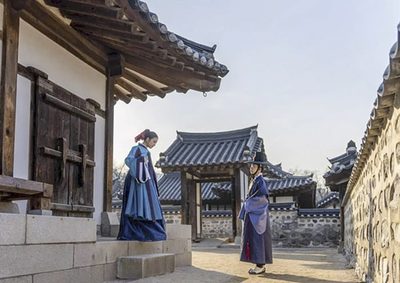
Jeonju is the birthplace of bibimbap and the best place in Korea to eat it. The Hanok Village preserves over 800 traditional Korean houses — many now converted into tea houses, craft studios, and guesthouses. Rent a hanbok (traditional dress) and stroll the lantern-lit streets at night. Jeonju is roughly 90 minutes from Seoul on the KTX, making it an easy weekend trip. The hanok village is the largest in Korea, and its annual film festival every spring draws visitors from across the country. Be sure to try Jeonju bibimbap and kongnamul gukbap (bean-sprout rice soup) at the old-market restaurants, and wander the Nambu Market in the evening for street food snacks like bindaetteok (mung-bean pancakes).
Add Busan for Coastal Energy
No deep-Korea route is complete without Busan, the country's second city and a bustling port on the southeast coast. Watch the sunrise over Haeundae or Gwangalli beach, browse the street-food alleys of Gukje Market, and wander the rainbow-painted hills of Gamcheon Culture Village. Busan connects to Gyeongju by frequent train (about one hour), so you can pair ancient Silla history with modern coastal life on the same journey. Busan's Jagalchi Fish Market is the largest in the country, and the nearby Haedong Yonggungsa cliffside temple is one of Korea's most photographed seaside shrines.
Getting Around & When to Go
The KTX high-speed rail links Seoul to Busan, Gyeongju, and Jeonju; from there, local buses reach Boseong and the southern coast. Jeju requires a short domestic flight. The best seasons are spring (March–May) for cherry blossoms and newly green tea fields, and autumn (September–November) for crisp, clear hiking weather. Summer (June–August) is hot and humid, while inland winters can be bitterly cold. For timing advice across the whole region, see our month-by-month Asia timing guide.
What to Eat Across Regional Korea
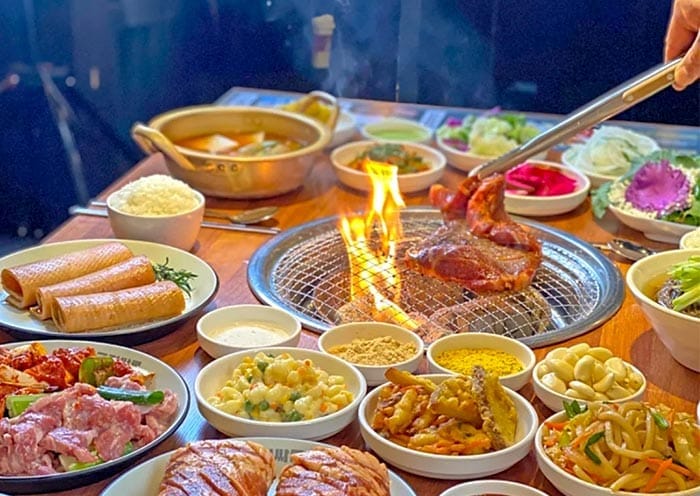
Beyond Seoul's ubiquitous barbecue, each destination has a signature dish you should not skip. In Gyeongju, look for hearty haejangguk hangover soup and ssambap, rice wrapped in fresh perilla and sesame leaves. In Jeonju, the famous bibimbap topped with dozens of seasoned vegetables is served in a sizzling hot stone bowl, and the city's rice wine has a thousand-year reputation. On Jeju Island, order haenyeo seafood stew and the local black-pork heukdwaeji barbecue. In Busan, the coastal markets serve hoe (fresh raw fish), dwaeji gukbap pork rice soup, and the iconic ssiatt hotteok sweet seed-stuffed pancakes.
Eating on a budget is easy: gimbap rolls, tteokbokki spicy rice cakes, and mandu dumplings from street stalls cost only a few dollars, while a full sit-down meal at a local restaurant runs $8–15. Vegetarians should note that many Korean soups contain anchovy or beef broth; temple-food restaurants around Bulguksa offer strictly vegetarian sachal eumsik. Tipping is not expected anywhere in Korea, and credit cards are accepted nearly everywhere outside the smallest village restaurants.
Frequently Asked Questions
How many days do I need for South Korea beyond Seoul?
Plan 7 to 10 days to comfortably combine Seoul with Gyeongju, Busan, and either Jeonju or Boseong. Add 3 to 4 days if you want a full Jeju Island trip.
Do I need a visa for South Korea?
Many Western passport holders (including the US, UK, Canada, and Australia) can enter South Korea visa-free for stays of up to 90 days. Always confirm current rules before booking, as policies change.
Is South Korea expensive outside Seoul?
Seoul prices are comparable to other major East Asian cities, but regional destinations like Gyeongju, Jeonju, and Boseong are noticeably cheaper. Street food and gimbap snacks keep costs low, and a rail pass can help long-distance travelers save.
When is the best time to visit Jeju Island?
Spring (April–June) and autumn (September–early November) offer the mildest weather and the clearest views of Hallasan. Jeju's April rapeseed and cherry blossoms are especially famous.
Ready to discover the real Korea? Browse our Asia tour collection or request a custom South Korea itinerary that pairs Seoul with temples, tea fields, and the coast.