Why Shanghai Is China's Most Electric City
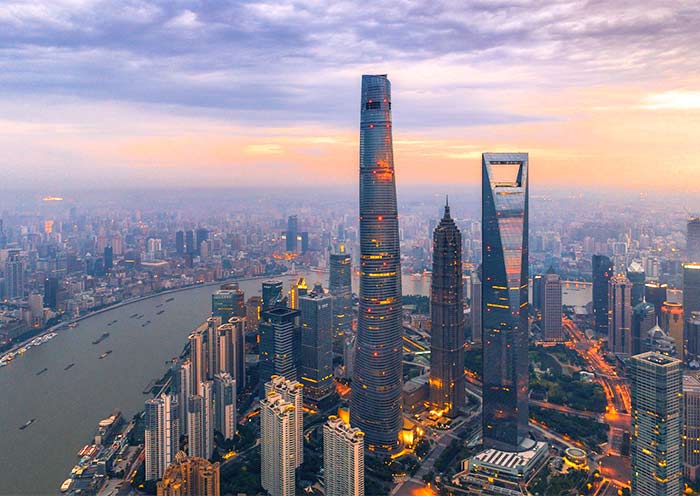
Shanghai doesn't do subtle. It's China's biggest, boldest, and most glamorous city — where 1930s jazz clubs share streets with futuristic skyscrapers and Michelin-starred restaurants neighbor hole-in-the-wall soup dumpling shops. Home to around 25 million people, the world's busiest container port, and a skyline that changes every year, Shanghai is the best one-city introduction to modern China. Most visitors underestimate how spread-out Shanghai is — a walk from the Bund to the French Concession takes 40 minutes, and Pudong's towers are best experienced in a single morning rather than split across days.
The Bund & Pudong
Start on the Bund at dawn, when locals practice tai chi against a backdrop of Pudong's sci-fi skyline. The Bund's colonial-era buildings house some of Shanghai's best restaurants and rooftop bars. Cross the river via the Bund Sightseeing Tunnel (kitschy but fun) or the metro to ascend Shanghai Tower — China's tallest building at 632 meters.
Former French Concession
Plane tree-lined streets, 1920s lane houses, and some of Asia's best cafes and boutiques. Wander Fuxing Road and Wukang Road on foot, then stop for brunch at a local diner or craft cocktails at a hidden speakeasy. This is Shanghai at its most charming.
Food: From Street to Starred
Xiaolongbao (soup dumplings): Jia Jia Tang Bao and Din Tai Fung are the classics. Shengjianbao: Pan-fried pork buns at Yang's Fry Dumplings. Hairy crab: A Shanghai autumn ritual — best enjoyed at a specialist restaurant. For modern Chinese fine dining, Shanghai's top tasting menus rank among Asia's best.
Day Trips
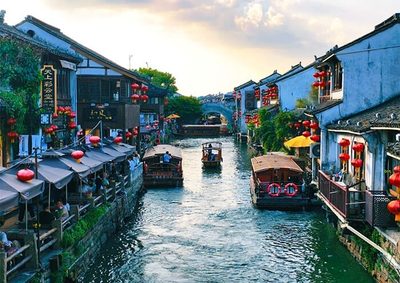
Zhujiajiao Water Town: An ancient canal town 1 hour from central Shanghai. Suzhou: Classical gardens and silk — 30 minutes by high-speed train. Hangzhou: West Lake and tea plantations — 1 hour by train.
First 24 Hours in Shanghai
Start at dawn on the Bund, when tai chi groups practice in front of the Pudong skyline. Cross to Pudong by local ferry (around ¥2) rather than the tourist tunnel, and ascend the Shanghai Tower observation deck before midday crowds. Afternoon: Yu Garden bazaar and the old City God Temple area. Evening: a riverside dinner on the Bund followed by a rooftop bar in the French Concession.
Neighbourhoods Worth a Slow Walk
- The Bund & Waitanyuan: 52 colonial buildings lining the Huangpu River — former banks and trading houses turned galleries and restaurants.
- Former French Concession: Plane trees, shikumen lane houses, and boutiques on Wukang and Fuxing roads.
- Tianzifang: A warren of artists' alleys near Xintiandi — crafts, cafes, and street art.
- Hongkou: Art-deco heritage and the former residence of writer Lu Xun.
Nightlife, Culture & Shopping
Shanghai's bar scene spans hidden speakeasies, rooftop terraces with skyline views, and long-running jazz lounges dating to the 1930s. Culture vultures should book the Power Station of Art (China's first state-run contemporary art museum) and the Shanghai Museum's world-class bronze gallery. Nanjing Road is the pedestrian shopping spine; Xintiandi repurposes shikumen lane houses into upscale dining and boutiques.
Shanghai at a Glance: Transport & Budget
| Item | Detail |
|---|---|
| Airport access | Pudong PVG: maglev + metro; Hongqiao SHA: 30-min metro, adjacent to HSR |
| Best Stay Area | The Bund / People's Square / French Concession |
| Mid-range hotel | ¥600-1,000 ($85-140) per night |
| Food per day | $15-40 depending on street stalls vs. restaurants |
| Best Season | Mar-May, Oct-Nov; winters damp, summers humid |
Pair your city stay with our top-10 China destinations, and budget-plan via our Asia trip cost guide.
Museums & Contemporary Culture
Shanghai's museum scene rivals any world city. Shanghai Museum on People's Square houses ancient bronzes, ceramics, and jade — entry is free, but arrive early to avoid the queue. Power Station of Art, set in a former power station, is China's first state-run contemporary art museum. Shanghai History Museum in the former race-course club tower tells the city's glamorous 1930s story, while the China Art Museum in Pudong occupies a dramatic landmark building.
Shopping & Local Markets
Nanjing Road: One of the world's longest pedestrian shopping streets — atmospheric more than chic. Tianzifang: Boutique crafts, silk scarves, and hand-painted teapots tucked into lane-house alleys. South Bund Fabric Market: Tailor-made suits, shirts, and qipao dresses made in 48 hours — a classic Shanghai experience. Xintiandi: Upscale dining and design brands set in restored shikumen brick lanes.
Neighbourhood Deep Dive: The Former French Concession Walk
A classic half-day: start at Fuxing Park (early morning tai chi), wander south to Anfu Road for boutiques and brunch, cut through Wukang Road past the wedge-shaped Wukang Mansion, and finish near Xintiandi for a drink. Plane trees shade the whole route, and every lane hides a gallery, a bakery, or a cocktail bar. On weekends, arrive before 10 AM to beat the brunch queues.
Water Towns & Night Views
Zhujiajiao is the closest canal water town (1 hour from downtown) — stone bridges and lotus-leaf sticky rice. Tongli and Xitang are further (1.5 hours) but atmospheric at dusk when lanterns light the canals. Xitang is car-free at night and is where several Chinese films were shot. On the skyline itself, Pudong's towers light up from 19:00 to 22:00; a Huangpu River cruise (¥120-180, 50 minutes) runs until late evening, or view it for free from the Bund promenade.
Where to Stay in Shanghai
Two days is the minimum, three is comfortable, and four to five lets you slow down into the cafes and bars. Stay near People's Square or the South Bund for first-timers — you can walk to the Bund, the old town, and a major metro interchange. The former French Concession is prettiest but pricier; Hongqiao is best if your priority is high-speed rail departures. Budget hotels cluster around the rail stations; mid-range boutiques line the French Concession lanes. Breakfast at a local dim sum house costs under ¥30 and beats any hotel buffet.
Frequently Asked Questions
How many days do you need in Shanghai?
Two full days covers the Bund, Pudong, the French Concession, and one day trip. Three to four days adds the museums, the nightlife circuit, and both Suzhou and Hangzhou. If you only have one night, prioritize the Bund at night, Yu Garden the next morning, and a xiaolongbao lunch before your onward train.
Is Shanghai expensive?
It is China's priciest city, but great value remains: street dumplings cost ¥20, and a meal at a beloved local spot stays under ¥100 per person. Splurge tasting menus at Michelin restaurants can exceed ¥1,000 per head.
Is Shanghai good for first-time visitors to China?
Yes — excellent transport, English signage, international food, and safety make it the softest landing. Many travelers start in Shanghai or Beijing and work deeper into the country from there.
What is the best month to visit Shanghai?
Late October to November, when humidity drops and the plane-tree avenues turn gold; April is the second-best window. July-August is fiercely humid.
Is Shanghai safe for solo travelers?
Shanghai is one of the safest major cities in the world, with low street crime and excellent lighting along the Bund and in the French Concession. Solo travelers routinely walk home late from bars in Xintiandi without issue.
Shanghai's contradictions deserve an expert navigator. Explore our Shanghai and China tours — rated 4.99/5 by thousands of travelers since 2010 — or contact us to craft a city-plus-water-towns escape.