
Tibet: The Roof of the World
Tibet is one of the most remote, spiritual, and awe-inspiring destinations on Earth. At an average elevation of 4,500 meters (14,800 ft), it's the highest region on the planet. The Potala Palace, Jokhang Temple, and the vast Tibetan Plateau offer an experience unlike anywhere else in China — or the world.
Tibet Travel Permits
Important: Foreign travelers cannot visit Tibet independently. You must:
- Book through a licensed Tibet travel agency (like us)
- Obtain a Tibet Travel Permit (issued by the Tibet Tourism Bureau)
- Travel with a registered guide and driver at all times
- Provide your passport and China visa details 20+ days before arrival
The permit process is straightforward when booked through an authorized operator. The Lhasa city tour includes all permits and arrangements.
Altitude Sickness
Altitude sickness (AMS) is a real concern. Lhasa sits at 3,650m (12,000 ft) — most people feel some effects. Tips to prevent AMS:
- Spend 1-2 days acclimatizing in Lhasa before traveling higher
- Stay hydrated (drink 3-4 liters of water daily)
- Avoid alcohol for the first 2-3 days
- Move slowly — don't rush up stairs or steep paths
- Consider diamox (acetazolamide) — consult your doctor before the trip
Best Routes in Tibet
Lhasa City (2-3 days): Potala Palace, Jokhang Temple, Barkhor Street, Sera Monastery. Lhasa to Everest Base Camp (4-5 days): The classic overland route via Yamdrok Lake, Gyantse, and Shigatse. Lhasa to Kathmandu (3-4 days): Cross into Nepal via the Friendship Highway — spectacular mountain scenery. Our Lhasa to Everest Base Camp tour is the most popular Tibet itinerary.
Yamdrok Lake
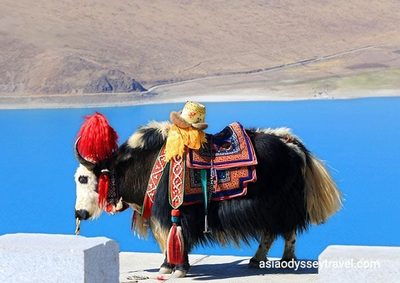
Yamdrok Lake is one of Tibet's three sacred lakes — an impossible shade of turquoise surrounded by snow-capped peaks. At 4,441m above sea level, the drive there crosses the Kamba La Pass (4,700m) with jaw-dropping views. It's a highlight of any Tibet trip.
What to Pack for Tibet
Even in summer, temperatures can drop below freezing at night. Bring warm layers, a down jacket, sunscreen (UV is intense at high altitude), sunglasses, and comfortable walking shoes. Medications for altitude sickness, stomach issues, and headaches are essential.
Best Time to Visit Tibet
May-October is the best window — warmer temperatures, clear skies, and all roads open. Peak season is July-August. Winter (November-March) is cold but Lhasa's monasteries are atmospheric with fewer tourists.
Book Your Tibet Journey
Tibet requires advance planning — start 30+ days before your trip. View our Tibet tour packages or contact us to start the permit process today.