Is Asia Safe for Travel?
Safety is one of the first questions first-time Asia travelers ask, and the short answer is reassuring: much of Asia is remarkably safe. Violent crime against tourists is rare, and many destinations are welcoming for solo travelers, families, and first-timers alike. Asia is one of the safest travel regions on Earth — violent crime rates are a fraction of those in Western countries, and most destinations are welcoming for solo travelers, families, and first-timers alike. Here are the 10 safest countries in Asia ranked by crime statistics, infrastructure, and traveler experience. Keep in mind that "safest" refers primarily to crime and personal safety; natural disasters, common scams, and road conditions still call for normal precautions.
1. Japan — The Safest Country in Asia
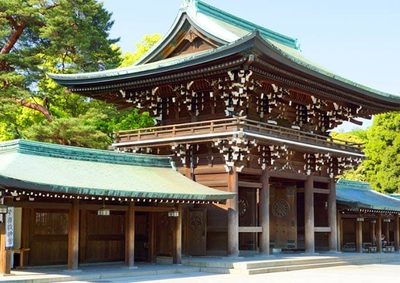
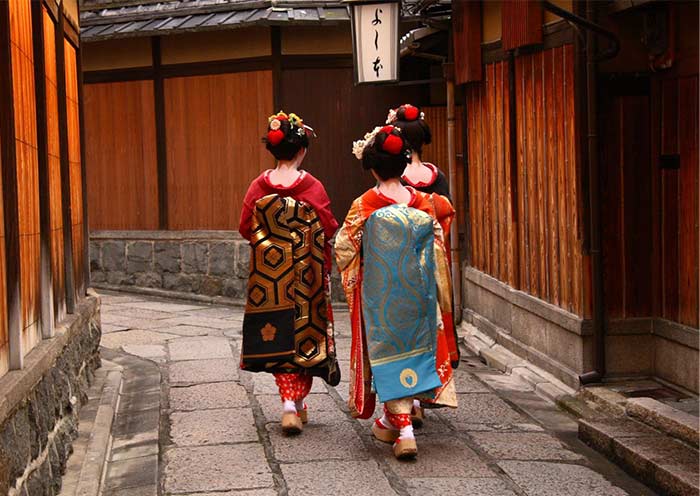
Japan consistently ranks as one of the safest countries in the world. You can leave your laptop at a cafe while you use the restroom, walk alone at 2am in Tokyo, and lose your wallet only to have it returned with all cash intact. The biggest safety risk is natural disasters (earthquakes, typhoons) — not crime. Perfect for solo female travelers and first-timers. Explore Japan tours → Useful apps include the national disaster early-warning system on your phone, and most major train stations display evacuation maps in English.
2. Singapore — Zero Tolerance, Zero Crime
Singapore's strict laws and efficient policing create one of the safest urban environments on Earth. CCTV covers virtually every public space, and even petty crime is extremely rare. The biggest risk? Jaywalking fines. Clean, efficient, and utterly safe — ideal for families with young children. English is widely spoken, and the city-state is compact and easy to navigate on foot or by MRT. Tap water is drinkable, sidewalks are smooth, and taxis are metered and trustworthy.
3–10: Korea, Bhutan, Taiwan, Malaysia, Thailand, Vietnam, China, Nepal
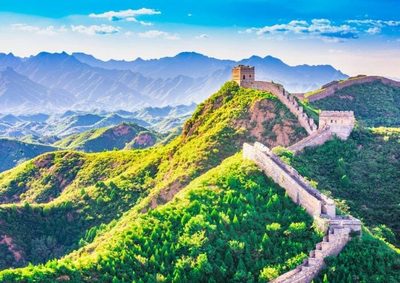
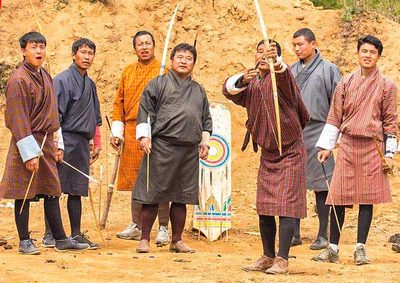
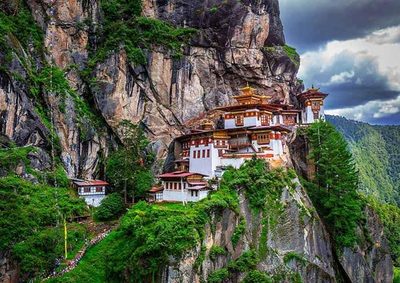
South Korea: Safe at all hours, even in Seoul's party districts. Bhutan: The only country that measures Gross National Happiness — violent crime is practically non-existent. Taiwan: Among the safest places in East Asia, with famously helpful locals. Malaysia: Generally safe for travelers, especially in Kuala Lumpur, Penang, and Malacca. Thailand: Generally very safe — the main risks are scams in touristy areas, not violence. Vietnam: Friendly and safe, with the main annoyance being traffic and petty pickpocketing. China: Extremely safe for tourists — CCTV surveillance and visible policing keep crime near zero. The biggest risk is petty theft in crowded areas. Nepal: Warmly hospitable and safe for trekkers, with the main risks being terrain and altitude rather than crime.
Standard precautions apply everywhere: watch your belongings in markets, use registered taxis or ride apps, avoid flashing valuables, and trust your instincts. For detailed safety tips by country, check our Travel Guide and How to Plan Your Trip.
Common Scams to Watch For
- Tuk-tuk "closed temple" scams in Bangkok: drivers claim major sights are closed and redirect you to overpriced gem or tailor shops. Always check official opening hours yourself.
- Overcharging taxis: Use metered taxis or ride apps in Bangkok, Ho Chi Minh City, and Hanoi. Insist the meter runs or agree on a price before getting in.
- Trekking and tour deposit fraud: Book multi-day treks and island tours through reputable operators with reviewed offices, not beachside strangers offering rock-bottom prices.
- Card skimming: Use ATMs inside banks rather than standalone machines on busy streets, and notify your bank of travel dates.
Safety Tips for Specific Traveler Types
- Solo female travelers: Japan, Singapore, and South Korea are the easiest first solo destinations. Use registered taxis at night and share your live location with family.
- Families: Singapore, Japan, and Malaysia offer clean facilities, English signage, and child-friendly infrastructure.
- First-timers: Start with Japan, Singapore, or Thailand — English-friendly, well-trodden, and forgiving.
- Trekkers: In Nepal and Tibet, travel with licensed guides, respect altitude acclimatization, and carry proper insurance.
Health & Natural-Disaster Safety
Beyond crime, travelers should plan for health and weather risks. Tap water is safe to drink in Japan, Singapore, and most major East Asian cities, but use bottled or filtered water in rural Southeast Asia and South Asia. Carry prescription medicines in their original packaging, and check whether any vaccinations or malaria prophylaxis are recommended for your destinations. Japan conducts regular earthquake drills and publishes clear English guidance; Indonesia and the Philippines have active volcanoes and typhoon seasons from June to November. Check the local weather bureau before coastal or hiking trips, and follow hotel staff instructions during storms.
Travel insurance that covers medical evacuation is essential, especially for trekking in Nepal, visiting Tibet, or diving in Southeast Asia. Keep a digital copy of your policy and emergency contacts saved offline. For more detail on high-altitude safety, read our Lhasa altitude guide, and for connectivity and getting around safely, see our complete travel guide.
Staying Connected & Sharing Your Trip
Safety and communication go hand in hand. Buy a local SIM or e-sim on arrival so you have data for maps, ride apps, and translation throughout your trip. Share your live location and a rough itinerary with a trusted person at home, and check in with them every couple of days. Use reputable hotel safes for passports and spare cards, and carry only what you need for a day out. At night, stick to main roads, use registered taxis, and avoid excessive drinking in unfamiliar areas — these same habits keep travelers safe anywhere in the world.
Traveling with an experienced local guide is one of the best safety upgrades available, especially in Tibet, Nepal trekking, and rural China. Guides know which areas to avoid, speak the language, and can resolve problems fast. Browse our Nepal trekking tours and Tibet tours for professionally guided, worry-free options.
The bottom line is simple: millions of first-time travelers explore Asia every year without incident. Choose a well-regarded destination, use common sense, book reputable operators, and buy proper insurance. With those basics in place, Asia will reward you with warmth, wonder, and some of the most welcoming, family-oriented, and genuinely helpful people you will ever meet on the whole planet.
Frequently Asked Questions
What is the safest country in Asia for solo travelers?
Japan tops the list, with Singapore and South Korea close behind. All three have low crime, excellent public transport that runs late, and locals willing to help lost travelers.
Is Southeast Asia safe for tourists?
Generally yes. The main issues are petty scams, traffic, and motorbike accidents rather than violent crime. Use licensed transport, avoid unauthorized tours, and keep an eye on your bag in crowded markets.
Are natural disasters a serious risk in Asia?
Japan faces earthquakes and typhoons, the Philippines and Indonesia face typhoons and volcanic activity, and South Asia has monsoon flooding. Check forecasts, follow local instructions, and ensure your travel insurance covers natural disasters.
Is China safe for tourists?
Yes. China is extremely safe for visitors, with strong policing and widespread CCTV. The main caution is petty theft in crowded transport hubs and tourist sites, so keep bags zipped and close.
Traveling worry-free starts with good planning. Browse our escorted Asia tours or talk to our team about safe, well-supported itineraries for solo travelers and families alike.